How Much Does a Church Wedding Cost in the UK? (2026 Guide)

A church wedding in the UK typically costs between £605 and £1,500 for the ceremony itself. That base figure covers the marriage service, the vicar's time, the calling of banns, a banns certificate, lighting, and all legal administration. Additional costs, such as choir, bells, flowers, and an organist, are charged separately on top.
I'm Paul Hickey, an award-winning wedding photographer based in Worcestershire and founder of Once in a Lifetime Photography. I've photographed church weddings across the West Midlands, Herefordshire, Warwickshire, and Shropshire. This guide covers what couples actually pay in 2026 and what regularly catches them off guard.

What Is Included in the Standard Church Wedding Fee?
The standard church wedding fee covers the legal and administrative core of your ceremony. In Church of England parishes, this is a fixed statutory fee set annually by the Church Commissioners.
In 2026, the statutory fee is £605 if you marry in your home parish. If you marry outside your home parish, the fee rises to a maximum of £723. This figure is set nationally, it applies to every Church of England church in the country, and cannot be varied by individual parishes.
The fee covers the marriage service, the marriage document, the publication of banns, a banns certificate, and the marriage register entry. It does not include any optional extras.
Some churches charge additional local supplements on top of the statutory fee - typically for heating, administration, or maintenance. Always ask for a full written breakdown before confirming your booking, not just a headline figure.

What Are the Hidden Costs of a Church Wedding?
Most couples underestimate the total cost of a church wedding because the statutory ceremony fee covers only the legal minimum. The following additional expenses are common and should be budgeted for separately.
Organist: £150-£300 depending on the church and the length of the service. Most churches have a resident organist available to hire, though some require you to source one independently.
Choir: £200-£600 for a professional church choir. Some churches include a small choir in their standard arrangements; you can confirm this directly when you enquire, rather than assuming.
Bells: £200-£500 for a full peal of bells. Not all churches offer this service, and availability varies. If bells matter to you, check early.
Heating supplement: Many historic churches charge an additional heating fee for autumn and winter weddings. Expect £50-£150 depending on the size of the building. This is one of the costs couples most commonly overlook.
Flowers and decorations: Church decoration costs vary widely. Some parishes work with a preferred florist and charge a coordination fee. Others allow couples to bring their own arrangements, but may require them to be removed on the same day.
Music licensing: Certain songs may require a licence if played during the ceremony. Your vicar will advise on this during your planning meetings it is not something you need to investigate independently.
A realistic total budget for a church ceremony, including the statutory fee and typical extras, is £1,000-£2,500. For couples planning a full wedding day, the cost of the ceremony is usually a relatively small proportion of the overall spend.

What Legal Requirements Apply to a Church Wedding?
To marry in a Church of England church, you must meet specific legal requirements before your ceremony can proceed. These are not optional and cannot be waived under any circumstances.
The banns must be read aloud in your parish church on three consecutive Sundays within the three months before your wedding date. If you and your partner live in different parishes, the banns must be read in both. This process takes a minimum of three weeks but usually requires more time when factored into typical church schedules.
You must also have a qualifying connection to the church. This means living in the parish, being on the church's electoral roll, having been baptised or confirmed there, or having a parent who married or worshipped there regularly. Regular attendance is not required, but one of these connections must apply.
If either partner has been married before, additional documentation is required. The Church of England's approach to this varies between individual vicars and parishes. Speak to the vicar early in your planning. This process takes time, and the outcome is not guaranteed.
Catholic church weddings follow a separate process with their own requirements and fee structure. Contact your local diocese directly for current fees and the steps involved.
How Does a Church Wedding Compare to Other Venue Costs?
A Church of England ceremony is typically more affordable than a licensed wedding venue ceremony, but total costs depend heavily on your reception choice.
A registry office ceremony costs between £57 and £600, making it considerably cheaper than a church wedding on a like-for-like basis. However, a church wedding includes the vicar's full personal service, the ceremony venue itself, and often a more meaningful relationship with the officiant during the planning process. Many couples feel the experience justifies the cost difference.
A licensed venue ceremony is usually included within the venue's overall wedding package, with prices typically ranging from £1,000 to £3,000 or more, depending on the venue. When comparing costs across these options, it is worth separating the ceremony fee from the total day spend, as they are not always presented consistently in venue quotes.
For most couples planning a full wedding day in Worcestershire, photography represents around 8–12% of the overall budget. The average UK wedding in 2026 costs approximately £23,250. The church ceremony fee is a relatively small portion of that total.
What Makes Church Weddings Distinct to Photograph?
Church ceremonies present some of the most technically demanding and visually rewarding photography conditions of any wedding setting.
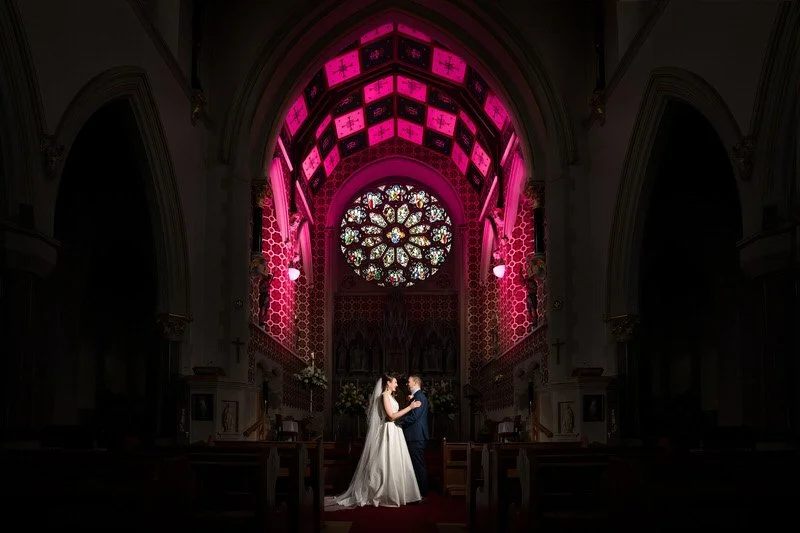
Stained glass windows, stone architecture, and candlelight create an atmosphere that modern licensed venues rarely replicate. The photographic challenge is to expose the contrast between bright window light and a dark interior, which requires careful technique and experience to manage effectively. Flat, overlit images lose the character that makes these spaces special.
I use off-camera flash carefully in church settings, balancing artificial light with available natural light to preserve the space's ambient quality. The aim is always to make the images feel as though the light was already there.
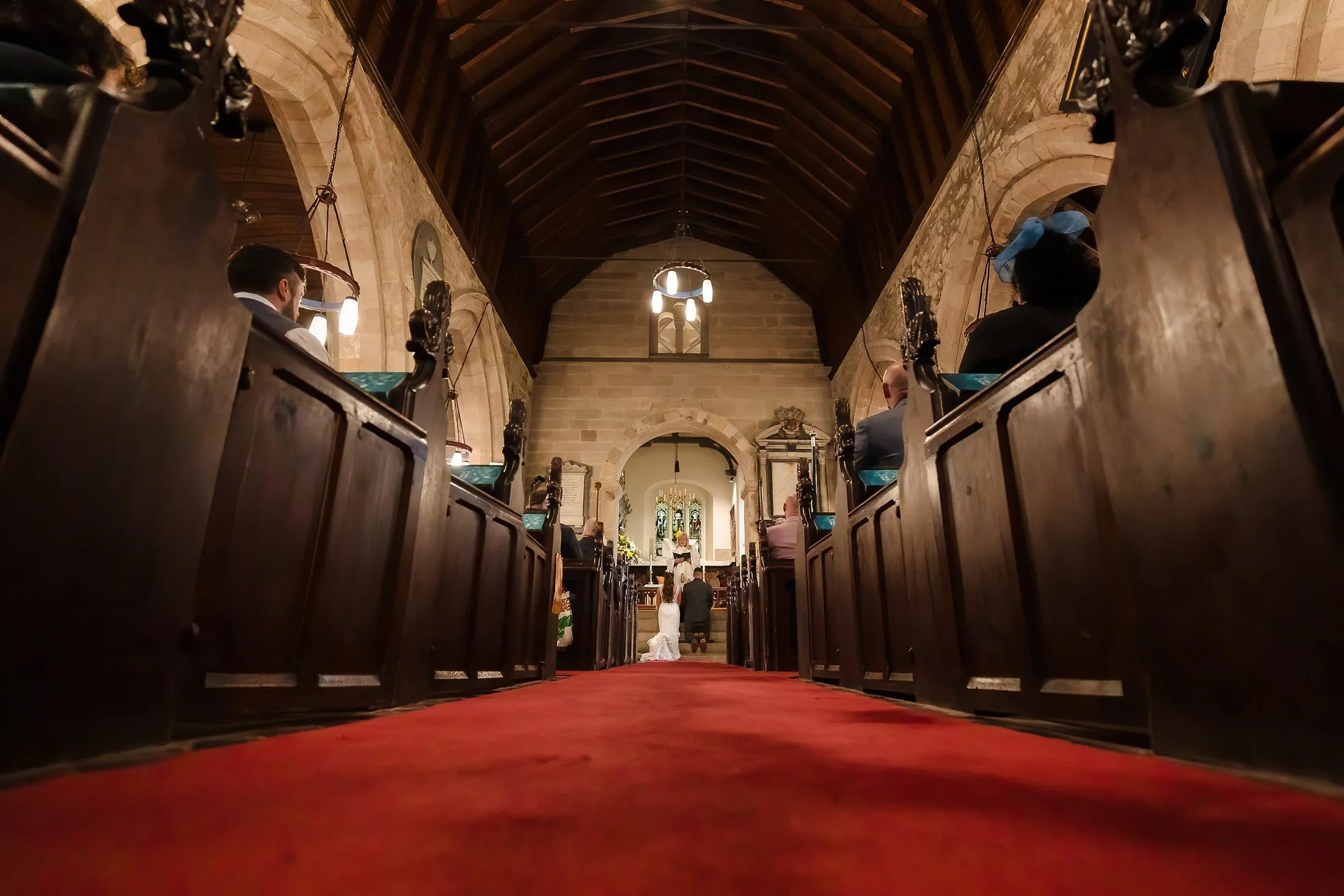
The aisle length in larger churches creates natural compression for ceremony shots, producing striking images. Smaller parish churches offer an intimacy that encourages genuine, unguarded moments between the couple and their guests. Both have real photographic value; they simply require different approaches and positioning.
Most churches have specific rules about flash photography during the service itself. Some restrict movement during the ceremony. I always check restrictions in advance with the vicar and work within those boundaries. If I haven't photographed at your church before, I arrive early to assess the light, identify key positions, and understand the space before your guests arrive.
Planning Your Church Wedding Budget: A Practical Checklist
Before confirming your church booking, get written confirmation of the following.
Total ceremony fee - the statutory amount plus any local supplements your church charges
Extras included - whether heating, lighting, service books, and any sound system are covered
Optional additions - costs for organist, choir, bells, and flowers if you want them
Photography restrictions - whether flash is permitted, where I can position myself, and any movement restrictions during the service
Decoration policy - what is allowed, who supplies it, and whether same-day removal is required
Heating supplement - particularly relevant for weddings between October and April
Cancellation policy - what happens to your booking fee if your plans change
Verbal quotes are not always honoured if circumstances change or a misunderstanding arises. A written breakdown before you pay any deposit protects both parties.
Frequently Asked Questions: Church Wedding Costs
How much does a church wedding cost in the UK in 2026?
The statutory Church of England wedding fee is £605 for a home parish ceremony and £723 for marrying outside your parish in 2026.
Most couples spend between £1,000 and £2,500 once optional extras such as bells, choir, organist, and heating are included. Always request a full written breakdown from the church before committing.
Is a church wedding cheaper than a registry office?
No, a registry office ceremony typically costs £57–£600, making it considerably cheaper than a church wedding.
However, a church wedding includes the vicar's full personal service and the ceremony venue itself, often within a building of significant historical and architectural character. Many couples feel the experience justifies the higher cost.
Can you have a church wedding if you don't attend church?
Yes, in most cases.
Church of England rules allow couples to marry in a church if they have a qualifying connection living in the parish, being on the electoral roll, or having a family connection to that church. Regular attendance is not required. Speak directly with the vicar to confirm your eligibility before making any plans based on a specific church.
What is the cheapest way to have a church wedding?
A weekday morning ceremony at a small parish church with minimal extras is the most cost-effective option.
The statutory fee applies regardless of timing, but some churches charge supplements for weekend ceremonies or peak summer months. Keeping music to recorded hymns rather than a live organist or choir reduces costs significantly.
Do wedding photographers charge more for church weddings?
Church weddings do not typically cost more to photograph.
What changes does the approach of experienced photographers involve when they adjust their technique for restricted flash, challenging mixed light, and specific movement restrictions? Always confirm your photographer has direct experience in church settings before booking. At Once in a Lifetime Photography, I've photographed church weddings across Worcestershire and the wider West Midlands, from large town centre churches to small rural parish churches, and I'm comfortable working in all of them.
How far in advance should you book a church wedding?
Book your church at least 12 months in advance for popular Saturday dates.
The banns process requires a minimum of three months, but popular churches fill their Saturdays well before that. Once your church date is confirmed, book your photographer at the same time, as availability at your chosen date fills quickly, particularly in peak summer months.



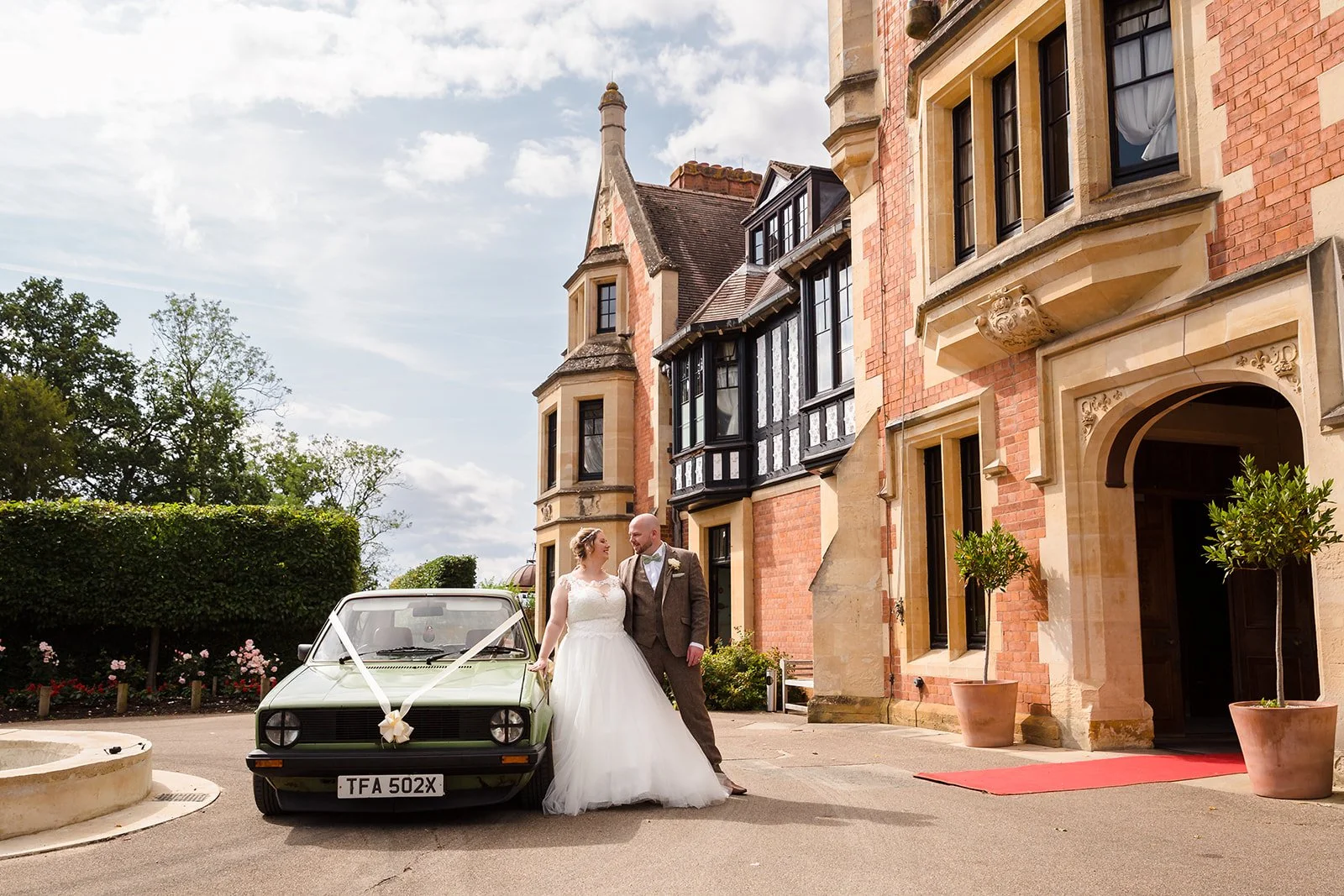

Photographing Church Weddings Across Worcestershire
I've photographed church weddings across Worcestershire, from Great Malvern Priory and St Mary's Bewdley to smaller parish churches in Redditch, Bromsgrove, and the surrounding villages. Each building has its own character, its own light, and its own photographic opportunities.
If you're planning a church wedding in Worcestershire or the surrounding counties and want photography that captures both the ceremony's atmosphere and the natural moments throughout the day, I'd be glad to talk through your plans.