Getting Married in Church

Getting married in a church
Getting married in a church is a cherished tradition that combines religious significance, community support, and timeless rituals. For many couples, a church wedding, whether traditional or same-sex, embodies a sacred commitment with spiritually enriching and historically resonant ceremonies.
The process involves:
Understanding specific requirements such as obtaining a marriage license.
Reading the banns.
Preparing for the ceremony through courses and meetings with the vicar.
These steps ensure the legality and sanctity of the marriage while embracing the church's values.

Why Choose a Church Wedding?
Couples often select a church wedding for its deep spiritual significance, traditional setting, and faith-based community support. Church weddings offer beautiful venues, meaningful rituals, and a sense of continuity with historical and religious traditions. Planning your ceremony in a religious building like the Church of England ensures a memorable wedding ceremony.

What's Required to Get Married in a Church?
Obtaining a marriage license
Completing a Marriage Banns form or applying for a standard license
Participating in a marriage preparation course
Meeting residency or qualifying connection criteria
Baptism and Confirmation may also be necessary, reaffirming the couple's commitment to their faith and fulfilling legal requirements.
Planning a church wedding involves:
Selecting the right church.
Meeting with the vicar or minister.
Choosing ceremony details like music and readings.
Organising a rehearsal to ensure everything runs smoothly.
The wedding party and guests' memorable roles are integral to the ceremony.
A church wedding ceremony typically includes the processional exchange of vows and rings, readings and prayers, unity rituals, and the recessional, each element adding to the ceremony's solemnity and joy. The marriage schedule and marriage documents are prepared to comply with legal preliminaries.
A church wedding offers religious significance, traditional beauty, and community support for couples looking for a timeless ceremony.
To get married in a church, couples must fulfil requirements such as baptism, Confirmation, and a marriage preparation course and gain approval from the church, including the necessary marriage certificate.
Planning a church wedding involves:
Choosing the right church.
Meeting with the priest or minister.
Finalising ceremony details.
Organising music and readings.
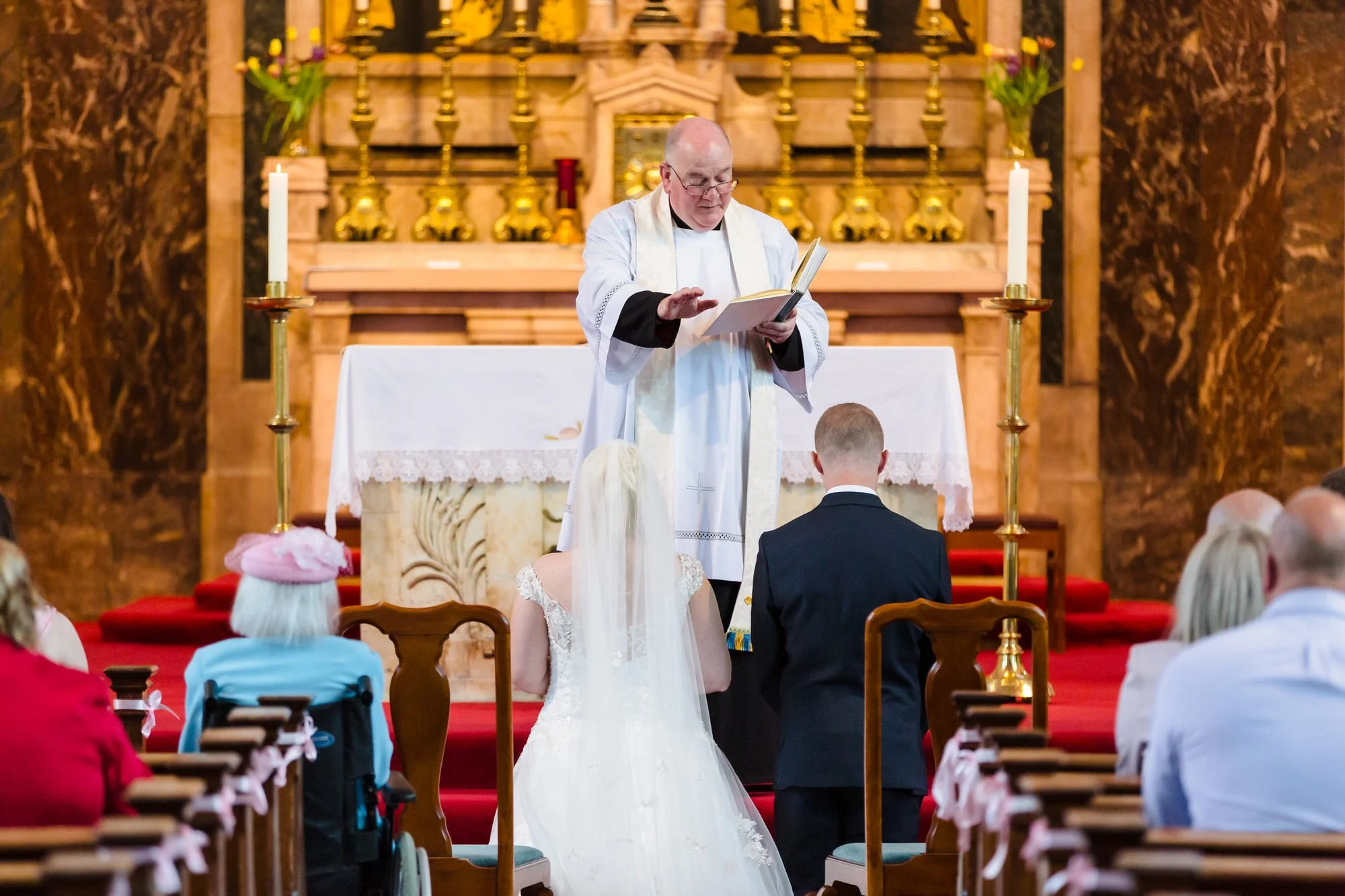
Getting Married in Church: An Overview
Getting married in a church involves religious and traditional ceremonies, often requiring specific legal documents and adherence to church protocols. The process is similar, whether a civil partnership or a religious ceremony.
A Church of England wedding includes reading the banns and preparing a marriage schedule.
Understanding these requirements ensures a smooth church wedding process.

Why Choose a Church Wedding?
Couples choose a church wedding for the sacred commitment it represents and the traditional setting it provides.
Church weddings offer a historical venue with religious significance that enhances the marriage ceremony.
Church values can serve as a strong foundation for a marriage. Legal preliminaries such as obtaining a marriage schedule are part of the Church of England's requirements.
Religious Significance
The religious significance of a church wedding is the spiritual union of a couple before God, officiated by a vicar in the Church of England.
A church wedding includes vows, prayers, and blessings, involving the congregation to enhance the spiritual atmosphere.
The vicar guides the couple through rituals, symbolising the church's acknowledgement and support of the union.
Faith uplifts the couple and resonates with friends and family, fostering community and shared hope. Engagement and the exchange of vows are central to this celebration.
Critical elements of a church wedding:
Reinforce the couple's commitment and faith
Create accountability in their spiritual journey
Generate an atmosphere of love and support
The intertwining of spirituality and community makes a church wedding a cherished and meaningful life event.
Traditional and Timeless
A church wedding is filled with traditional and timeless rituals, including the exchange of vows and rings, and it is held in a sacred, historical setting.
Critical traditions such as reading banns, kneeling in prayer, and music from a choir or organ enhance the ceremony's spiritual and nostalgic atmosphere. The wedding party plays a crucial role in supporting these traditions.
These elements connect couples with their heritage, emphasising love as a divine institution.
Beautiful Venues
Churches offer beautiful wedding venues with stunning architecture and a tranquil atmosphere.
Churches' historical significance and intricate details create a picturesque backdrop for wedding ceremonies.
The aesthetic appeal and elegant atmosphere enhance the couple's and guests' overall experience.
Architectural beauty: Historical elements and craftsmanship provide countless personalisation options, accommodating both traditional and civil ceremonies.
Tranquil atmosphere: Rich traditions invite guests to connect deeply with the moment.
Support from the Community
Support from the community in a church wedding involves family, friends, and parishioners gathering to witness and encourage the couple's vows, fostering a sense of belonging and love. The community's engagement is essential for a fulfilling ceremony.
This community support enhances the joy of the ceremony and provides a strong foundation for the couple's new life together.
Guests participate in traditions, making the event memorable and meaningful and reinforcing the community's commitment to the couple's union.

What is Required to Get Married in a Church?
To get married in a Church of England church, couples must meet several requirements, including understanding the marriage contract:
Obtain a marriage licence from the General Register Office.
Complete a Marriage Banns form or apply for a standard licence, including any necessary marriage documents.
Participate in a marriage preparation course approved by the church.
Meet residency requirements or have a qualifying connection to the parish.
Fulfilling these requirements ensures the legality and sanctity of the marriage.
Baptism and Confirmation
Baptism and Confirmation are sacraments often required for a church wedding within the Church of England.
These rites affirm the couple's faith and commitment, laying a spiritual foundation for marriage.
Baptism and Confirmation signify understanding Christian teachings, acceptance of community responsibilities, and commitment to nurturing their relationship under church guidance.
Marriage Preparation Course
A marriage preparation course is required for couples planning a church wedding to provide guidance on married life. This course is crucial for understanding the UK's legal requirements and marriage schedule.
Courses cover communication, conflict resolution, financial planning, and companionship.
The course helps couples understand core values such as faith and commitment, preparing them for a successful marriage.
Approval from the Church
Securing approval from the church involves confirming legal requirements and marriage documents for a recognised union. Couples may also consider options at the Register Office for civil ceremonies.
Couples should schedule an appointment with the church officiant to guide them through:
Gathering documentation such as birth and baptismal certificates.
Completing church-provided application forms.
Participating in pre-marital counselling sessions.
Attending a final review meeting with the officiant.
These steps ensure the couple is prepared for a sacred union.
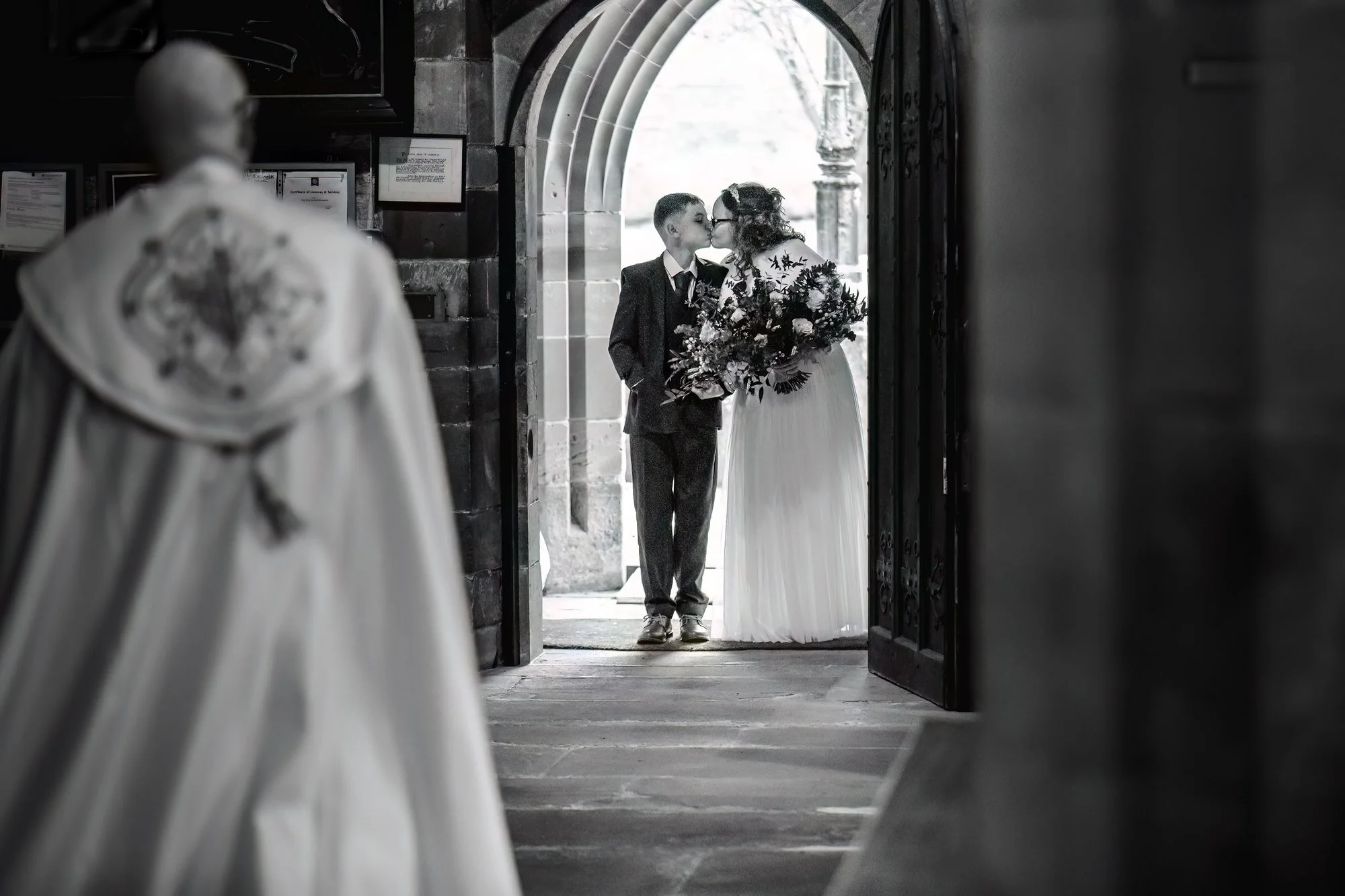
How to Plan a Church Wedding?
Planning a church wedding involves selecting a church, meeting with the vicar or minister, and organising critical elements like music and readings. Consideration of potential venues in locations like Rotherham or Lincoln can provide unique opportunities.
Start by choosing a church that aligns with your values and book the venue in advance. This ensures that legal preliminaries, such as the marriage license, are in place.
Meet with the vicar or minister to discuss ceremony details and confirm any specific requirements. Understanding the marriage contract and the potential roles of the wedding party is essential.
Plan music and readings to enhance the ceremony, ensuring the church approves them. Guests' involvement in memorable roles can add a personal touch.
Finalise guest list and send invitations well ahead of the wedding date. This includes confirming the attendance of those with memorable roles in the wedding ceremony.
Choosing the Right Church
Choosing the right church for a wedding involves considering location, architectural style, and alignment with personal beliefs.
Key factors include the church's availability on the desired date, accessibility for guests, and options for personal touches such as floral arrangements and music.
Additionally, evaluating the church's community and leadership support helps ensure a meaningful ceremony, whether religious or civil.
Meeting with the Priest or Minister
Meeting with the vicar or minister is essential for planning a church wedding. This meeting guides ceremony details and allows couples to discuss their vision, special requests, and the church's expectations. Understanding the legal preliminaries and potential for a civil partnership is essential.
Important topics to cover during the meeting include ceremony structure, music selection, and family members' involvement. Couples should prepare by compiling questions, envisioning their desired atmosphere, and gathering documents such as baptism or marriage certificates. Understanding the differences between church weddings and civil ceremonies can also provide clarity.
Understanding religious rituals can add depth to the conversation. This includes knowledge of the banns reading and other traditional elements of the Church of England wedding.
Discuss the ceremony format and requirements of the Church of England
Explore music options
Involve family members where appropriate
Prepare essential documents, including those required by the General Register Office
This strategic conversation shapes the celebratory tone of the wedding, ensuring alignment with the couple's vision, whether it's in Rotherham or Lincoln, and the church's traditions.
Choosing the Ceremony Details
Choosing ceremony details for a church wedding involves selecting elements such as readings, vows, music, and rituals that reflect the couple's beliefs.
Couples can include music choices, such as classical or contemporary songs, to personalise the ceremony.
Unique rituals, such as unity candles or sand ceremonies, symbolise the couple's union.
Including family in these decisions enhances community and support during the wedding.
Organising Music and Readings
Organising music and readings for a church wedding involves selecting hymns, instrumental pieces, and meaningful readings to enhance the ceremony.
Couples choose music that sets the tone, such as traditional hymns or instrumental pieces, and select readings from the Bible or meaningful poems.
Coordination with the officiant ensures selections align with church traditions.
Rehearsal and Final Details
Ensuring all documents, including the marriage license from the Register Office, are in order is essential.
A wedding rehearsal ensures the wedding ceremony runs smoothly by familiarising the couple and the wedding party with the order of events and setting.
Final details, such as seating arrangements and event timing, should be confirmed during the rehearsal.
The rehearsal covers critical positions in the procession, establishes a timeline for vows and rings, and reviews emergency protocols.

What to Expect During the Church Wedding Ceremony?
During a church wedding ceremony, expect the following elements: exchange of vows, exchange of rings, meaningful readings, and unity rituals.
These components symbolise the couple's commitment and express the sanctity of marriage within a religious context.
Professional
The processional, often accompanied by music, marks the formal entrance of the wedding party and the couple in a church wedding ceremony.
Choosing meaningful music that aligns with the wedding theme ensures a memorable and engaging start to the ceremony.
Exchange of Vows
The exchange of vows at a church wedding is a critical moment that symbolises the couple's commitment to God and their loved ones.
Couples choose between traditional vows that emphasise love and fidelity or personalised vows that reflect their unique experiences.
This exchange signifies their dedication to nurturing their bond.
Exchange of Rings
The exchange of rings in a church wedding ceremony symbolises the couple's love and commitment.
This act reinforces the bond established during vows and symbolises eternity with unbroken, circular rings.
Rings represent unity and completeness and serve as a reminder of vows, enhancing the ceremony's emotional significance.
Readings and Prayers
Readings and prayers are essential elements of a church wedding ceremony, chosen to reflect the couple's beliefs and values.
These components include scriptural texts, literature, and bespoke prayers, enhancing the ceremony's spiritual and emotional significance.
Popular choices include Bible passages such as 1 Corinthians 13, poetic readings, and personalised prayers.
Unity Rituals
Unity rituals in a church wedding ceremony, such as the unity candle and sand ceremony, symbolise the couple's union and commitment.
The unity candle ceremony involves lighting a central candle from two smaller ones, representing the joining of two lives.
The sand ceremony uses coloured sand from each partner to create a layered work of art, symbolising harmonious coexistence.
Other unity rituals, such as handfasting, emphasise commitment through the binding of hands.
Recessional
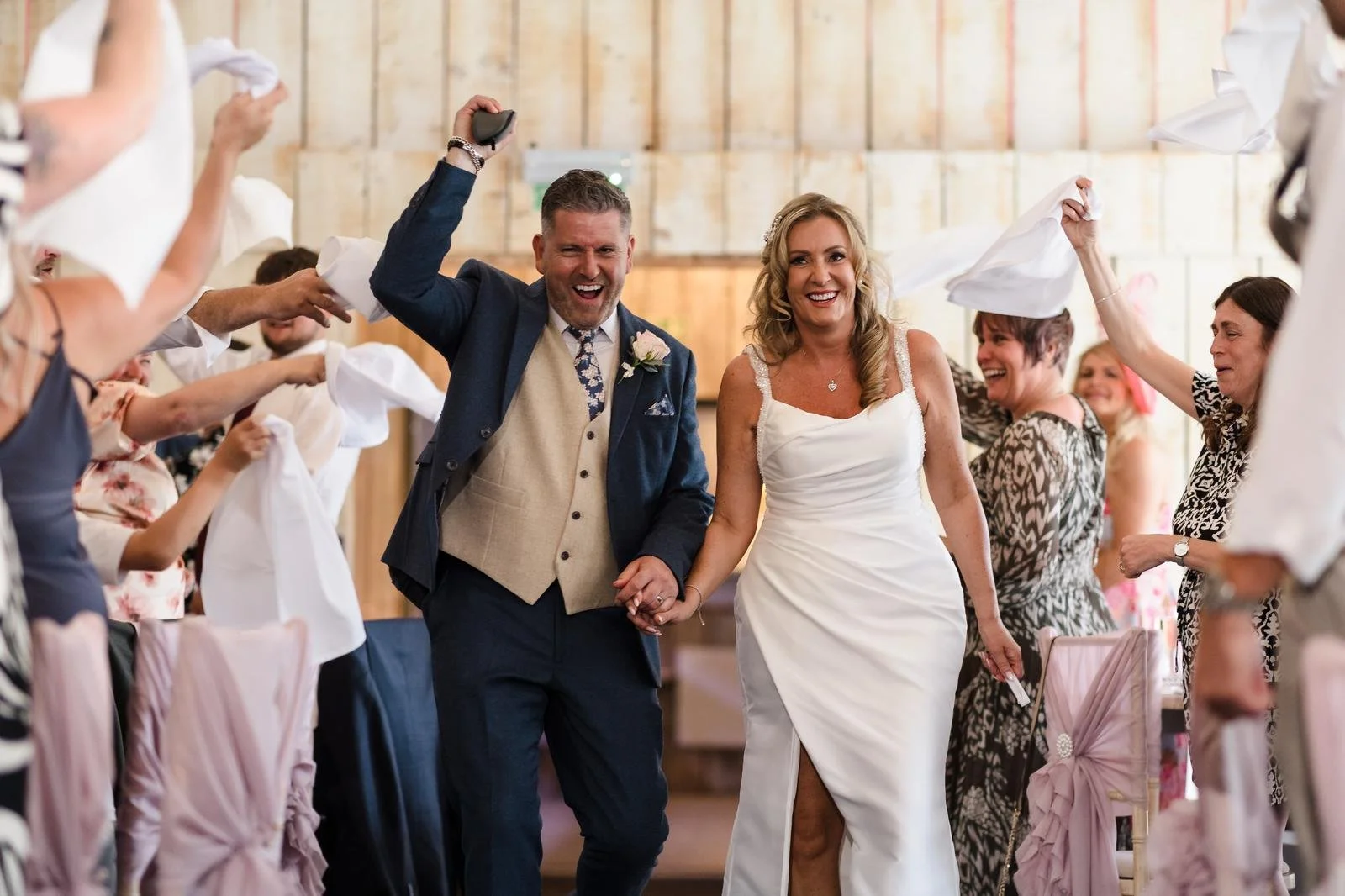
The recessional marks the couple's exit from the church wedding ceremony, whether conducted in the Church of England or elsewhere. This moment is filled with celebration and happiness as the couple embarks on their new life.
The recessional often includes music and cheers from guests, highlighting the union's significance.
Choosing music for the recessional should reflect the couple's personalities and journey. Tips for selecting celebratory tunes include:
Personal Touch: Songs with sentimental value to the couple.
Upbeat Vibes: Lively tracks that encourage guests to celebrate.
Live Performances: Musicians or a DJ to enhance the atmosphere.
A well-chosen soundtrack ensures the recessional captures the joy and excitement of the couple's new beginning.

Frequently Asked Questions
What are the requirements for getting married in church?
You must be at least 18 to marry legally in the UK.
To get married in a church, you and your partner must be legally eligible to marry, and at least one must be baptized in the Christian faith. You must also complete a marriage preparation course and obtain a marriage license.
Can we choose any church in which to get married?
Generally, you can choose any church you wish to get married in as long as it is a recognised place of worship for your religion. However, some churches may have specific requirements or restrictions, so it's best to check with the church beforehand.
Do we need to have a religious ceremony if we get married in church?
Yes, getting married in church typically involves a religious ceremony conducted by a minister or priest. However, you can incorporate some non-religious elements into the ceremony.
What kind of music can we have during the ceremony?
Most churches have guidelines for music during a wedding ceremony, and some may only allow traditional religious music. However, you can discuss with the church if there are any exceptions or if you can have a live band or soloist perform.
What is the average cost of getting married in church?
The cost of getting married in a church, such as in the Church of England or a Register Office, varies depending on the location, church, and any additional services or decorations you may want. It's best to contact the church directly to estimate their fees.
Do we need to be members of the church to get married there?
No, you do not need to be a member of the church to get married there. However, some churches may prioritise members or require you to attend several services before your wedding. It's best to check with the church beforehand.Church