Average Length of Wedding Ceremony: Your Ultimate Guide to Church Wedding Length in the UK

Introduction to Wedding Ceremonies
A wedding ceremony is one of life’s most meaningful milestones, bringing together the couple and their guests to celebrate love, commitment, and the start of a new chapter. Whether you envision a grand affair or an intimate gathering, the ceremony sets the tone for your entire wedding day. It’s a unique opportunity to express your personal preferences, share your story, and create lasting memories with those who matter most.
Most wedding ceremonies typically last around 30 minutes, with non-religious ceremonies often being shorter and less formal than religious ones. This gives couples the flexibility to choose a format that suits their style and timeline.
With so many options available, couples can choose a wedding ceremony that truly reflects who they are, whether that means honouring family traditions, embracing a particular faith, or crafting a completely bespoke experience. From the moment the ceremony begins, every detail is designed to mark the significance of your union and to involve your guests in the joy of the occasion. In the following sections, we’ll explore the different types of wedding ceremonies, their typical structures, and the special elements that make each one unforgettable.

Your Ultimate Guide: How Long is a Church Wedding Ceremony in the UK
Types of Wedding Ceremonies
When it comes to planning your wedding ceremony, there’s no one-size-fits-all approach. Traditional wedding ceremonies, such as Catholic weddings, often follow a set structure with time-honoured rituals, prayers, and readings that reflect deep-rooted religious beliefs. These religious wedding ceremonies can include additional rituals, such as hymns, readings, musical performances, lighting a unity candle, or sharing a full Mass, making them rich in symbolism and meaning. Catholic weddings with a full mass typically take 60-90 minutes, while a rite without communion lasts about 30-45 minutes. In comparison, non-denominational ceremonies usually last between 30 and 45 minutes.
Civil ceremonies are a popular choice for couples seeking flexibility and a less religious approach. A civil ceremony typically lasts around 30 minutes and allows couples to personalise the proceedings, including the option to write and deliver their own vows. Civil ceremonies are more flexible and can be tailored to reflect the couple’s personalities and preferences. Registry office wedding ceremonies, which focus on the legal process without much pageantry, usually take around 10 to 15 minutes.

Celebrant-led ceremonies are known for their customisation and personal touch. These ceremonies generally last 30-45 minutes and can blend elements from various traditions or focus solely on the couple’s unique story, allowing for a truly bespoke celebration. The average length of a non-religious wedding ceremony is typically around 20-30 minutes.
Cultural ceremonies, such as Jewish and Hindu wedding ceremonies, bring their own vibrant customs and traditions. A Jewish wedding ceremony typically lasts around 30 to 45 minutes. It includes key rituals such as the signing of the ketubah, the chuppah, kiddushin, nisuin, and the breaking of the glass, all of which highlight its rich cultural and religious significance. Hindu wedding ceremonies are among the longest, typically lasting 90 minutes or more, and feature elaborate rituals such as Kanyadaan, Saptapadi, Mangal Pheras, and Sindoor Daan, emphasising spiritual significance and community participation.
Each type of ceremony offers a different way to honour your heritage, beliefs, and personal journey together, which can be beautifully preserved through storytelling wedding photography. By understanding the variety of wedding ceremonies available, you can choose the one that best fits your vision, values, and the experience you want to share with your guests.

Planning and Preparation
Timeline for a Church Wedding
A church wedding ceremony in the UK typically lasts between 20 and 45 minutes, with the exact duration depending on the denomination and the number of readings, hymns, and other traditional elements involved. For instance, Anglican and Catholic church weddings often include multiple readings and hymns, which can extend the ceremony.
The structure of the service, including the exchange of wedding vows and rings, as well as any additional religious rituals, contributes to the overall timing. Understanding the timeline for your church ceremony is essential for planning the rest of your wedding day, from group photos to the wedding breakfast, ensuring that everything flows smoothly.
It’s advisable to allow 1-2 hours for photography before the church wedding ceremony to capture those special getting-ready moments. This time frame allows your wedding photographer to document the bride and bridal party having their make-up done, as well as the groom’s preparations, from the final touches in the dressing room to the more candid, emotional moments shared with family and the wedding party. Be sure to plan for special shots during this time, such as first looks, unique bridal portraits, or creative images with props like balloons or Champagne.
These photos often become some of the most treasured memories of the day. Setting aside this time also allows the photographer to travel between locations if the bride and groom are getting ready separately and helps to create a relaxed atmosphere before the formalities of the ceremony begin.
When planning the photography schedule, it’s important to consider the logistics of getting to both the bride and groom’s preparations before the church wedding ceremony so there’s ample time for creative wedding photography throughout the day. If you want to capture both, please book a second photographer. Coordinating travel time between venues is crucial, especially if the bride and groom are preparing in different locations that may be some distance apart.
Ensuring your wedding photographer has enough time to move between these locations without feeling rushed will help capture all the essential moments in a documentary wedding photography style, from the bride’s preparations to the groom’s nerves during the ceremony. This careful planning helps maintain the flow of the day and ensures that every part of the wedding is beautifully documented.
When booking your reception venue, it’s vital to coordinate the date with the vicar to ensure everything fits seamlessly into your wedding-day timeline and to allow time to visit top churches for a lovely wedding ceremony before making your final choice. For the ceremony itself, remember to reserve the front rows of the church for immediate family and wedding party members, ensuring your closest loved ones have the best seats. The church ceremony and reception are the cornerstones of your wedding day, and aligning the timing provides a smooth transition for you and your guests.
Discussing the date with the vicar early on helps avoid scheduling conflicts. It allows you to plan other vital details, such as travel time between the church and the reception venue, photography sessions, and the timing of the wedding breakfast. This careful coordination is critical to creating a relaxed and enjoyable day for everyone involved.

Ceremony Length and Structure
Church ceremonies in the UK typically last 20 to 45 minutes, with the duration varying by religion and denomination. For example, a Roman Catholic wedding ceremony might be longer because it includes a full Mass. In contrast, an Anglican or Methodist ceremony could be shorter, focusing on key elements such as the exchange of vows and rings. In general, church ceremonies last about an hour, while civil ceremonies usually last around 30 minutes.
In most weddings, the length of the ceremony can be affected by the number of guests and the size of the wedding party. Large wedding parties increase the time for the processional and recessional, often adding 5-10 minutes. Logistics such as guest arrivals and signing the marriage register can also push the end time of the ceremony later than planned.
Understanding the typical length of the ceremony for your chosen denomination helps plan the rest of the day, ensuring everything from the group photos to the evening celebrations runs smoothly. It’s worth considering these variations to make informed decisions about how your wedding day unfolds, especially if you’re getting married in church and need to meet specific religious and legal requirements. Many civil or non-religious ceremonies last around 30 minutes, making them a concise option for couples who prefer a shorter event.
The number of readings and hymns in your church wedding ceremony can significantly affect its duration. Each reading or hymn adds to the richness of the ceremony, allowing for personal touches that reflect your relationship and faith, but they also extend the overall time.
Whether you choose a few carefully selected readings or multiple hymns, it’s essential to factor in how these elements will influence the length of the service. This consideration is important when coordinating post-ceremony events, such as the wedding breakfast and group photos, to keep your wedding day running smoothly.
A typical church wedding ceremony includes several key components that create a meaningful and traditional experience. The ceremony usually begins with the entrance processional, where the bride makes her way down the aisle, followed by a warm welcome from the vicar or officiant. This is followed by the exchange of vows, where the bride and groom make their solemn promises to each other. Certain steps, such as signing the marriage register, only take a few minutes but are essential for the legal recognition of the marriage.
Afterwards, the couple exchanges rings, symbolising their commitment. The ceremony concludes with a final blessing, sealing the union before the newlyweds leave as a married couple. These elements, deeply rooted in tradition, form the core of a church wedding ceremony and contribute to its overall length and significance. The ceremony not only marks the beginning of a new chapter but also serves as both a legal contract and a symbolic celebration of marriage.
The Wedding Party
Roles and Responsibilities
The wedding party typically includes the bride, groom, bridesmaids, best man, and flower girls/ring bearers.
Each wedding party member has specific roles and responsibilities, such as supporting the bride and groom, holding the rings, and participating in the ceremony.
Ensure the wedding party knows their roles and responsibilities to ensure a smooth ceremony.
The wedding party is a central part of any church wedding ceremony. It typically comprises the bride and groom, bridesmaids, best man, and often flower girls and ring bearers. Each member of the wedding party plays a vital role in supporting the couple and adding to the ceremony's atmosphere.
The bridesmaids and best men usually stand beside the couple during the vows, while the flower girls and ring bearers bring a touch of charm as they walk down the aisle. Together, this group not only helps manage the day's logistics but also shares in the joy and solemnity of the occasion, making the wedding ceremony even more memorable.
Each wedding party member has specific roles and responsibilities that contribute to the smooth running of the church wedding ceremony. For instance, the bridesmaids and best man support the bride and groom emotionally and logistically throughout the day. The best man holds the rings until they are exchanged, while the bridesmaids assist the bride with her dress and bouquet.
Flower girls and ring bearers add a touch of sweetness to the ceremony as they lead the processional. By understanding and fulfilling their roles, the wedding party helps ensure the ceremony flows seamlessly, allowing the bride and groom to focus on the significance of their vows and the joy of the day.
To ensure a smooth, stress-free church wedding ceremony, each member of the wedding party must be fully aware of their roles and responsibilities. Clear communication is critical to brief everyone on what is expected of them, from arrival timing to their specific duties during the ceremony.
This includes tasks such as the best man holding the rings, the bridesmaids helping the bride with her dress, and ensuring that the flower girls and ring bearers know their cues. When the wedding party understands their roles, the ceremony proceeds without a hitch, allowing the bride and groom to focus on enjoying their special day.

After the Ceremony
Group Photographs and Confetti
It’s a good idea to allow guests about 20 minutes after the church wedding ceremony to congratulate the couple as they exit the service. This time will allow friends and family to share their well-wishes and enjoy a few informal moments with the newlyweds before moving on to the rest of the day.
These congratulatory moments are often filled with genuine emotion and joy, providing excellent opportunities for candid photos. During this period, the number of group photos you want can vary depending on the couple’s preferences, and your photographer will accommodate your wishes to ensure all important moments are captured. This is also a great opportunity to plan special shots, such as creative or personalised group photos featuring unique poses, props, or themes that reflect your personalities. Planning this buffer also helps ease the transition from the ceremony to group pictures, the drinks reception, or the wedding breakfast, ensuring everything flows smoothly and no one feels rushed.
During the 20 minutes allocated for guests to congratulate the couple after the church wedding ceremony, it’s the perfect time to set up for the confetti shot or group photos. This allows the photographer to organise the guests and ensure that everything is in place for those iconic, joyful moments as the newlyweds emerge from the church.
Whether you’re throwing traditional confetti or arranging family and friends for group photos, this brief period ensures everything is captured beautifully without disrupting the day's flow. Coordinating these activities during this time keeps the day on schedule while allowing for spontaneous celebratory interactions with your guests.
Consider incorporating a receiving line after your church wedding ceremony as a beautiful way to greet your guests and capture photos as they arrive at the reception. This tradition allows the bride and groom, along with their immediate families, to personally thank each guest for attending while giving your photographer the perfect opportunity to capture candid, heartfelt moments.
The receiving line can be set up at the reception venue’s entrance, ensuring that no guests are missed and that everyone feels welcome. It’s an efficient way to combine the formalities of greetings with the joy of photography, helping to document the love and support of those who have come to celebrate your special day.
When planning your confetti moment after the church wedding ceremony, it’s important to note that many vicars request that only biodegradable confetti be used and thrown outside the church grounds. Thinking carefully about how to choose and use confetti will help you plan a moment that looks beautiful in photos and respects the venue’s rules. The wedding venue serves as a beautiful backdrop for these memorable moments, making your confetti shot even more special. This environmentally friendly approach helps preserve the beauty of the church and the surrounding area while allowing for that joyful, picture-perfect moment as you exit the ceremony.
Using biodegradable confetti ensures the celebration is in harmony with nature, and keeping it outside the church grounds respects the church's sacred space. Be sure to communicate these guidelines to your guests in advance, before guests are invited, so everyone is prepared to join in this festive tradition in a way that aligns with the church.

The Wedding Reception
The Wedding Breakfast
A traditional 3-course sit-down meal typically takes 2 hours.
Less traditional plans, such as barbeques or afternoon teas, may take less time.
Consider having a drinks reception before the wedding breakfast to allow guests to mingle.
The wedding breakfast is an excellent opportunity to capture photos of the wedding party and guests.
A traditional 3-course sit-down wedding breakfast typically takes around 2 hours, providing ample time for guests to enjoy a leisurely dining experience. This part of the day is more than just a meal; it's an opportunity for guests to relax, settle into the celebratory atmosphere, and prepare for the evening festivities.
During this time, guests can savour delicious options prepared by their chosen catering partners, from inventive dishes to classic favourites like hot roast pork baps served with apple sauce. The wedding breakfast also sets the stage for critical moments, such as the speeches, usually around 6:15 pm, offering a chance for more flamboyant speakers to share stories, toasts, and heartfelt messages. As the meal progresses, guests can hear every word of these meaningful speeches, which add to the auspicious occasion before the celebration moves on to the next phase and your Worcestershire wedding photography or local coverage continues into the evening.
Consider hosting a drinks reception before the wedding breakfast to give your guests a chance to mingle and unwind after the ceremony. This pre-dinner gathering, typically around 2:30 pm, is the perfect time for guests to enjoy a selection of drinks, chat, and get to know each other, setting a relaxed tone for the rest of the day.
It's an excellent opportunity for your wedding photographer to capture candid moments of the wedding party and guests interacting more informally. These photos often showcase the joy and excitement of the day, providing an excellent contrast to the more formal images taken during the ceremony and wedding breakfast. As guests enjoy their drinks, it's the perfect moment to settle into the flow of the day, ensuring everyone is ready for the meal and speeches that follow.

Working with Suppliers
Choosing a Wedding Cake Supplier
Research a reputable wedding cake supplier that fits your style and budget.
Consider having a wedding cake that is both delicious and visually stunning.
Ensure the wedding cake supplier is aware of any dietary restrictions or allergies.
Check out our online Handpicked Suppliers List for some of our most recommended suppliers.
When planning your wedding, one critical decision is to research and choose a reputable wedding cake supplier that aligns with your style and budget. A beautifully designed and delicious cake is often the centrepiece of your wedding reception, and finding the right supplier ensures it complements your theme perfectly.
Whether you're looking for a classic tiered cake adorned with fresh flowers from your florist or something more unique and modern, you must explore different options and request tastings to ensure you're happy with both the flavour and design. Many wedding suppliers, including cake designers, are featured in the handpicked section of our website, where you can browse and select those that match your vision. By carefully selecting a wedding cake supplier who understands your needs, you can add a sweet, memorable touch to your big day.
When planning your wedding, consider choosing a cake that is delicious and visually stunning. Your wedding cake is a delectable treat and a centrepiece for your reception, making it a highlight of the day for you and your guests. A cake that combines exceptional taste with beautiful design can reflect your style, whether you opt for a traditional tiered cake adorned with intricate details or a more contemporary creation featuring bold colours and unique shapes.
Collaborating with a skilled wedding cake supplier ensures your cake is crafted to perfection, fitting seamlessly into your wedding's overall theme and aesthetic. A cake that looks as good as it tastes will undoubtedly leave a lasting impression on your guests and provide a memorable moment when it's cut and enjoyed.
When selecting your wedding cake supplier, it's essential to ensure they are fully aware of any dietary restrictions or allergies that you or your guests may have. Whether it's accommodating gluten-free, nut-free, or vegan options, clear communication with your supplier will help create a cake that everyone can enjoy safely.
Many reputable suppliers are experienced in catering to various dietary needs without compromising taste or design. To find a supplier who meets these criteria, check out our online Handpicked Suppliers List.
This curated selection features some of our most recommended suppliers. These suppliers are known for crafting beautiful, delicious cakes tailored to your specific requirements. By choosing a supplier from this list, you can feel confident that your wedding cake will be stunning and inclusive for all your guests.

Photography and Videography
Capturing the magic of your wedding ceremony and reception is one of the most important investments you’ll make for your big day. Photography and videography are essential for preserving every heartfelt moment, from the grand entrance and processional to the final goodbyes on the dance floor. These visual memories allow you to relive the joy, emotion, and unique details of your wedding day for years to come.
When planning your wedding, it’s crucial to research and hire a photographer and videographer who specialise in your chosen type of ceremony, whether it’s a traditional wedding, a Catholic wedding with a full Mass, or a non-denominational wedding led by a celebrant. Professionals with experience in religious or non-religious ceremonies will understand the flow of the service, the significance of rituals such as the unity candle or hand-fasting, and the best ways to capture these moments at your chosen wedding venue.
A skilled photographer will know how to make the most of the venue’s lighting and layout, ensuring beautiful images from the ceremony to the first dance at the evening reception. They’ll be ready to capture every key moment: the exchange of vows and rings, the pronouncement of the new husband and wife, and those spontaneous reactions from your wedding guests. After the ceremony, your photographer will typically organise family portraits, bridal party group shots, and special shots of the couple, think confetti shots, bouquet tosses, and creative portraits that reflect your personalities.
Videographers play an equally important role, documenting the entire ceremony, including the processional, readings, and vows, as well as the highlights of the reception, such as the cake cutting, dinner service, and grand entrance into the wedding breakfast room. They’ll also capture the energy of the dance floor and those emotional final goodbyes, ensuring nothing is missed.
To make the most of your photography and videography, it’s essential to allocate enough time in your wedding day schedule. Plan for dedicated sessions during the drinks reception and wedding breakfast, and consider the best times for golden hour portraits or evening shots. Discuss your personal preferences with your photographer and videographer, including the style of images you love, how many photos you’d like, and any additional rituals or special moments you want documented.
Coordination is key. Make sure your wedding planner shares the full wedding-day timeline with your photography and videography team, so they’re prepared for every important event, from the ceremony to the evening reception. This ensures that all the must-have moments are captured seamlessly, without disrupting the flow of the day.
By entrusting your memories to experienced professionals, you can relax and fully immerse yourself in the celebration, knowing that every detail, from the first look to the last dance, will be beautifully preserved. Ultimately, the goal of wedding photography and videography is to tell the complete story of your wedding day, providing you with a timeless collection of memories to treasure forever.

Evening Celebrations
Evening Entertainment and First Dance
Many couples use this time to entertain the guests, such as a magician or acoustic live music.
Consider having a romantic slow dance or a more energetic dance for your first dance.
The evening begins after the first dance, so ensure that the DJ or live band is ready to go.
Check out our online Handpicked Suppliers List for a comprehensive list of live performers and details of our Dream Team DJs.
Many couples enhance the atmosphere during the reception by entertaining their guests, such as a magician performing close-up tricks or acoustic live music, setting a relaxed, intimate tone. As the evening progresses, you might want to consider your first dance, whether it's an Atlantic slow dance that captures the day's emotion or a more energetic routine that excites everyone for the festivities.
The evening traditionally begins after the first dance, so it's crucial to ensure your DJ or live band is ready to keep the energy high and the dance floor busy. For those seeking top-notch entertainment, our online Handpicked Suppliers List offers a comprehensive selection of live performers, including details on our Dream Team DJs, known for keeping the celebration going all night long.

Final Preparations
Sharing the Wedding Day Timings
Share the wedding day timeline with your party, suppliers, and guests to ensure everyone is on the same page.
Consider creating a wedding website to share updates and information with guests.
Ensure all suppliers have a copy of the wedding day timeline to avoid confusion.
Review the wedding day timeline with your partner and make any final adjustments before the big day.
To ensure your wedding day runs smoothly, it's crucial to share the timeline with your wedding party, suppliers, and guests so that everyone is on the same page. This helps coordinate all the moving parts, from the 2:00 pm church wedding photos to the 8:30 pm informal evening refreshments, ensuring no detail is overlooked.
One effective way to keep everyone informed is to create a wedding website where you can share updates, detailed timelines, and other important information with your guests. Additionally, make sure all your suppliers have a copy of the wedding-day timeline to avoid confusion, especially around crucial moments like the wedding breakfast, speeches, and the first dance.
Before the big day, review the timeline with your partner to make any final adjustments, ensuring that everything is perfectly planned and ready to go. This careful preparation helps reduce stress and allows you to enjoy your special day fully.
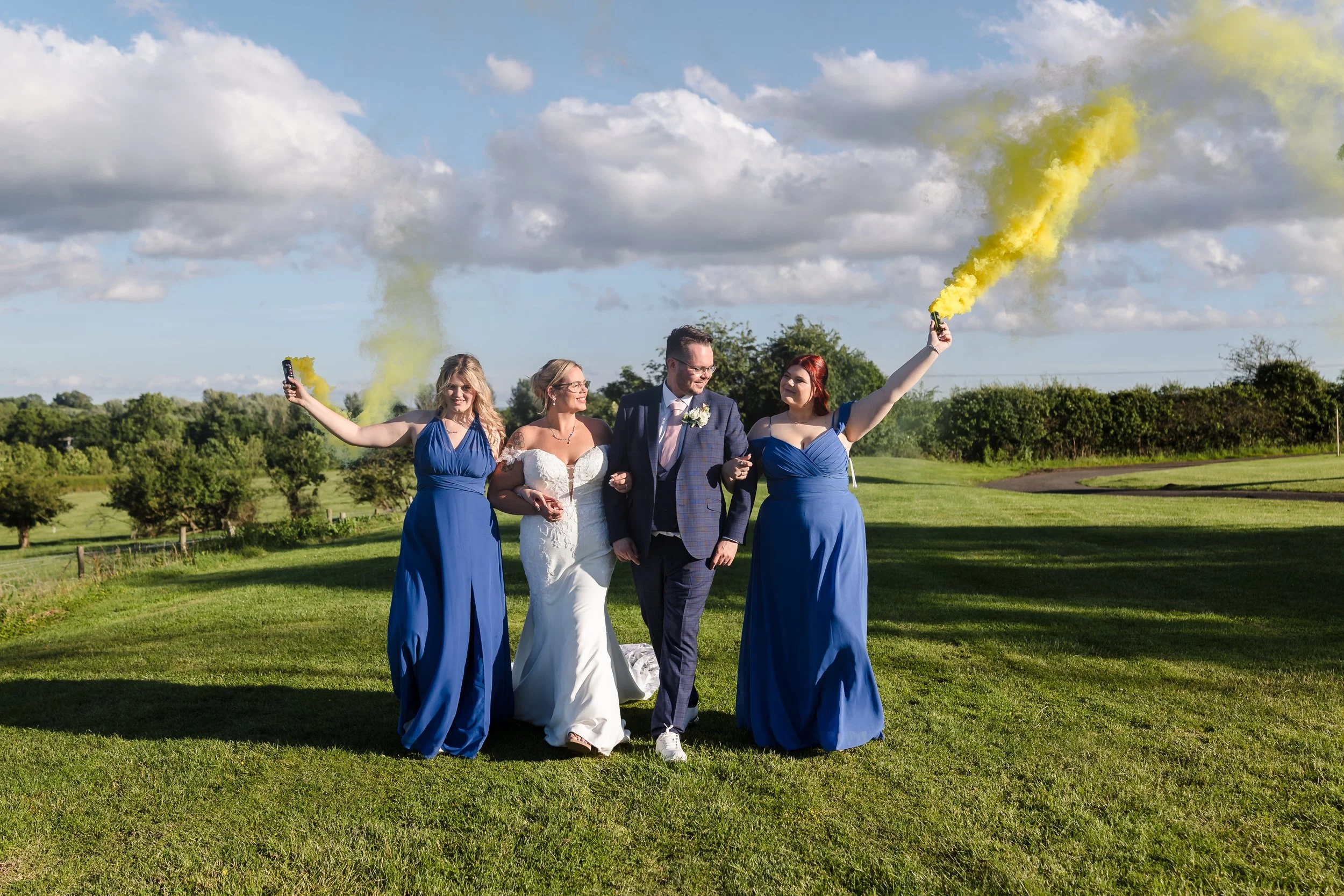
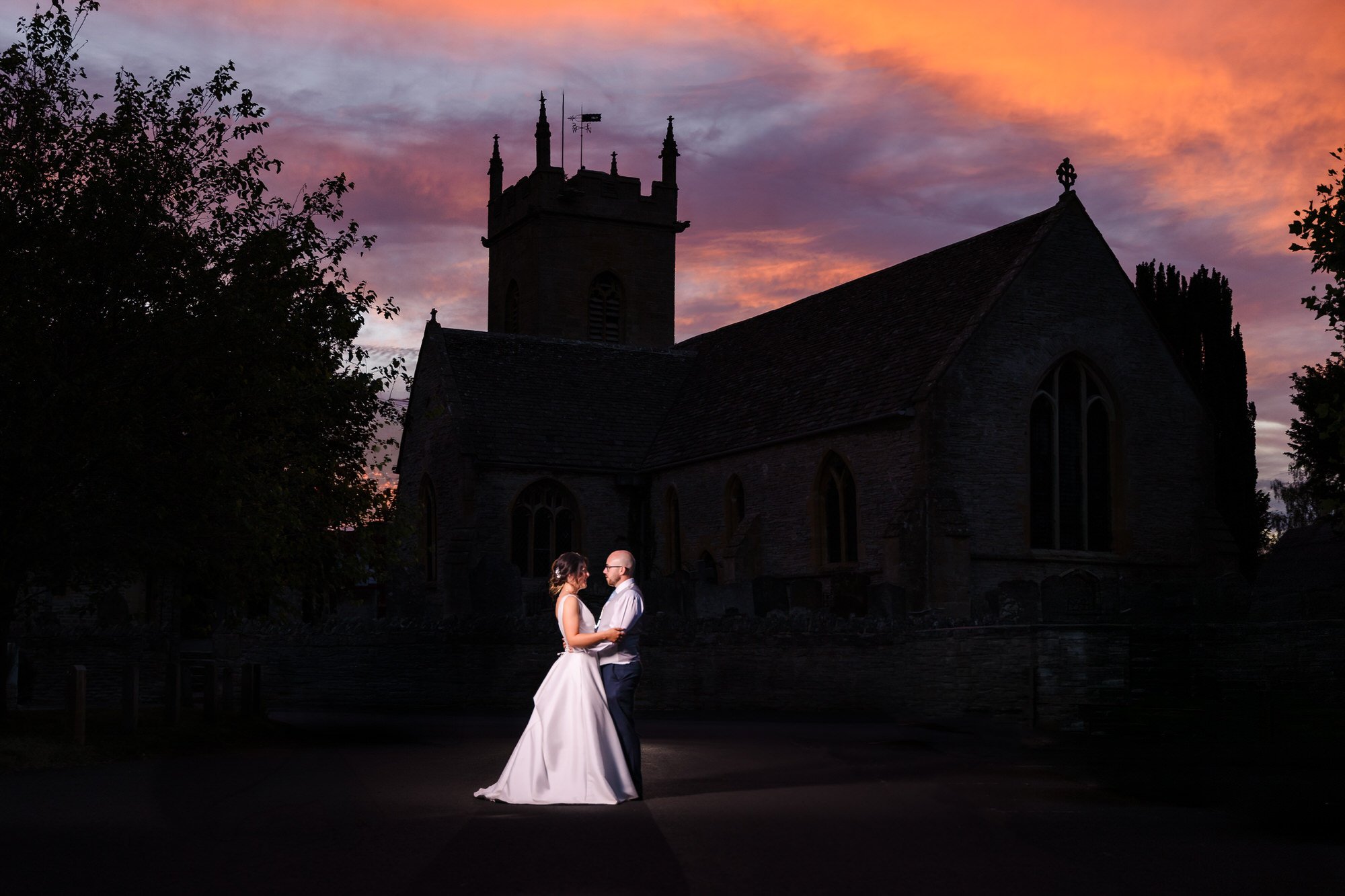
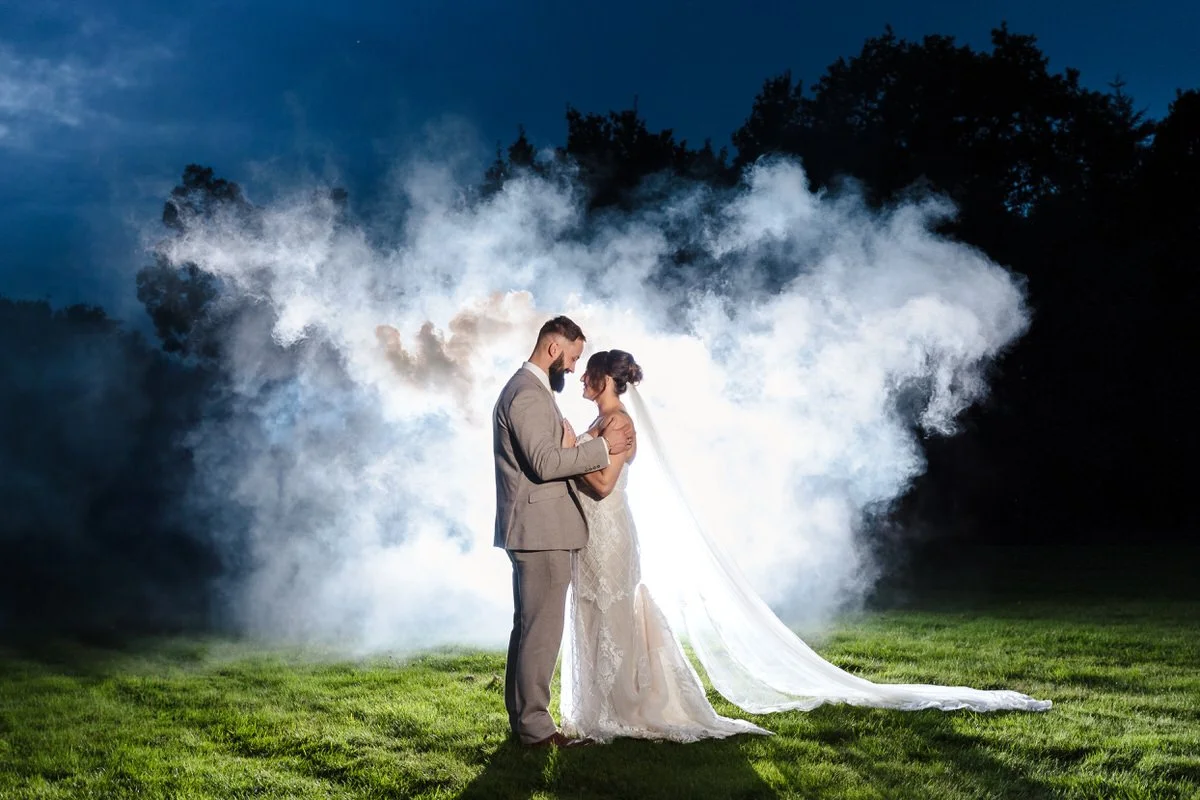
Ani and Chris were married at Shustoke Barn on a Sunday in late September, a day shaped around family, long friendships, and a venue that earns its keep from first light through to last. The day moved from busy preparations in Coleshill through a characterful barn ceremony into an evening of layered creative portrait work: off-camera flash silhouettes, smoke with the bridal party, sparklers, and individual guest portraits lit on the courtyard bench at sunset.
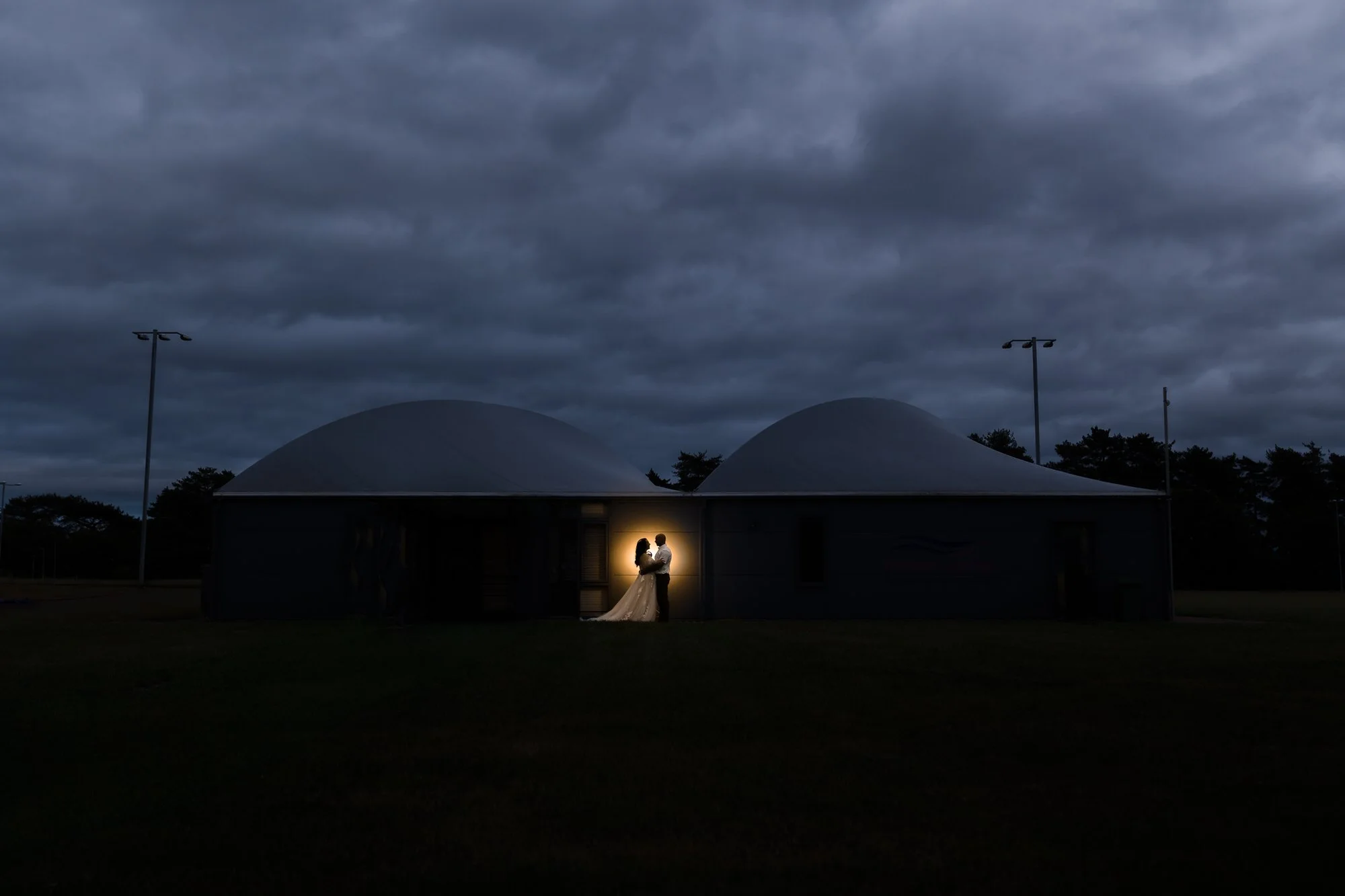
Jess and Brian's Hogarths Stone Manor wedding brought documentary storytelling and creative night portraits together despite the August rain. From an intimate Drawing Room ceremony to spectacular champagne spray portraits, their Worcestershire celebration showcased genuine moments and evening magic. Award-winning wedding photography captures their relaxed day and energetic evening celebration.
Patric & Izabela's urban celebration at The Bond Birmingham brought together Polish and British cultures in spectacular style. From blue smoke bomb portraits with e-scooters in Digbeth's backstreets to a custom graffiti mural reflected in the Grand Union Canal, this multicultural wedding showcased creative Birmingham wedding photography at its finest.
Katherine became my first bride to wear a stunning black wedding dress at Arley House and Gardens. Her gothic elegance, paired with Ian's matching black suit, created unforgettable wedding photography throughout this historic Worcestershire venue. From intimate preparation moments to dramatic, creative night portraits at the Barbican Tower, their November celebration showcased how authentic style choices and autumn's golden colours create truly unique wedding images.
Kirsty and Sam's intimate November wedding at Bredenbury Court Barns combined childhood sweethearts romance with stunning Herefordshire countryside. From morning preparations to creative night portraits featuring smoke effects and dramatic lighting, their celebration showcased the perfect blend of documentary storytelling and artistic vision.
Laura and Mike's September wedding at Bredenbury Court Barns was pure joy from start to finish. This laid-back couple celebrated with their two daughters, family, and friends at one of Herefordshire's most beautiful barn venues. From the light-filled Orangery ceremony to creative evening portraits with champagne sprays and sparklers, their day perfectly blended natural documentary moments with artistic flair. The dusty blue and pink colour palette complemented the rustic barn elegance, while exceptional food and relaxed atmosphere kept guests celebrating late into the evening. Please see their complete wedding story with insights on photographing at Bredenbury Court.
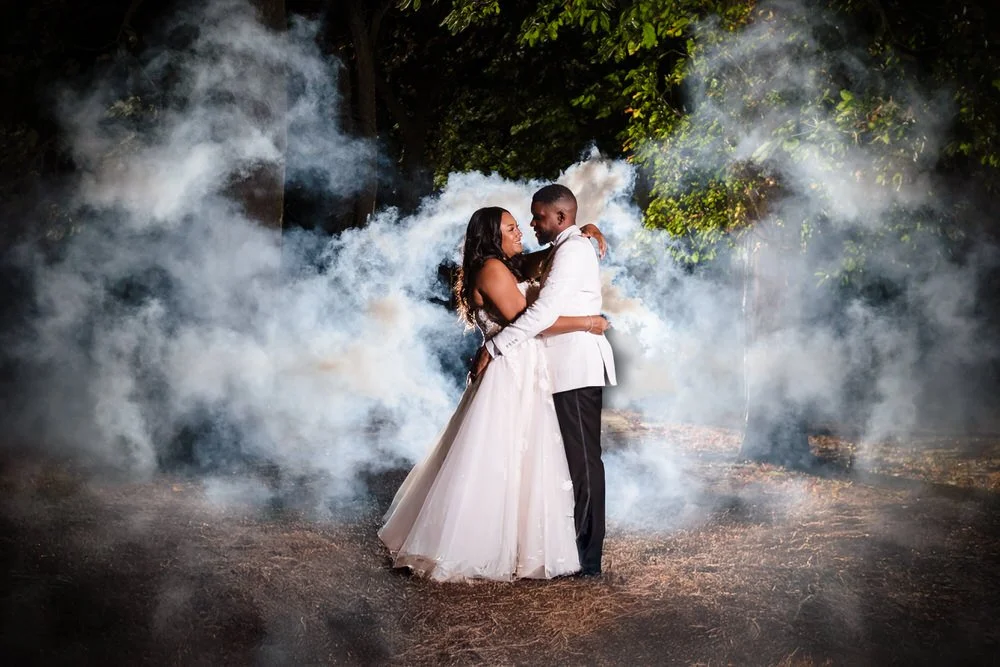
From a decade-long friendship that blossomed into love, to a magical proposal under the Northern Lights in Iceland, Sam and George's love story culminated in a perfect celebration at Hogarths Stone Manor. Their day began with emotional morning preparations and a heartfelt ceremony at St Cassian's Church in Chaddesley Corbett, followed by a reception filled with genuine laughter, creative portraits (including a special tribute to their beloved cat Chester Chunk), and stunning evening photography featuring smoke effects and champagne celebrations. This real wedding perfectly showcases the blend of natural documentary moments and creative magic that makes each Stone Manor wedding unique.
Becky and Kurtis chose The Holt Fleet for their beautiful July wedding, creating the perfect riverside celebration in Worcestershire. Starting with intimate preparations in Kidderminster, their day unfolded naturally under the venue's stunning canopy overlooking the River Severn.
As their wedding photographer, I captured every genuine moment using my documentary approach - from emotional ceremony moments to relaxed group photos in the Secret Garden. The famous Holt Fleet bridge provided the perfect backdrop for romantic couple portraits during golden hour.
The evening brought my signature creative photography to life with studio-flash family portraits by the riverside, dramatic smoke-bomb artistry, and magical bubble effects. The Holt Fleet continues to showcase why it's one of Worcestershire's most valuable wedding venues, offering exceptional natural beauty and endless creative opportunities for both candid moments and artistic portraits.

Conclusion
Every detail in your wedding day schedule plays a vital role in creating a truly memorable experience for both you and your guests. From the anticipation of the morning preparations to the heartfelt ceremony and the lively reception, your wedding day is a tapestry of emotions, traditions, and joyful celebrations. While it’s important to have a well-planned timeline to ensure everything runs smoothly, don’t forget to embrace spontaneity and add personal touches that make your big day uniquely yours.
Ultimately, your wedding day is about celebrating love and sharing happiness with everyone present. By thoughtfully planning your ceremony and reception, and weaving in moments that reflect your personalities, you’ll create a day that’s not only beautifully organised but also filled with genuine connection and joy. Use this wedding-day schedule as a helpful guide as you plan your own unforgettable celebration, knowing that every moment, big or small, contributes to the magic of your wedding day.