Why Do Wedding Photographers Have Two Cameras?

Table of Contents
Introduction
Overview of Why Wedding Photographers Use Two Cameras
2. The Main Reasons for Using Two Cameras
Focal Length Versatility
Importance of 35mm Focal Length
Importance of 85mm Focal Length
Speed
- Risks of Changing Lenses
- Why Not a Zoom Lens?
- Prime vs. Zoom Lenses
3. Equipment Needed for a Two-Camera Setup
- Recommended dual-camera straps
- Same or Different Model Cameras?
4. Conclusion
- Summary of the Benefits of a Two-Camera Setup
5. Frequently Asked Questions About Wedding Photography Equipment
- Why do photographers use two cameras?
- What is a "focal length," and why does it matter?
- Do you use Flash, and is it distracting?
- What is a "prime lens," and why do photographers like them?
- What is a "sensor," and why is it important?
- What happens if a piece of equipment fails?
- Do you bring any lighting equipment for the evening or indoor settings?
- What's a dual camera strap?
- Why don't you use your phone or a simple point-and-shoot camera?
- Is all this equipment going to be intrusive?
6. Why A Two-Camera Setup Makes All The Difference For Your Dream Wedding
- The Benefits of a Dual-Camera Approach
- Ready To Capture Your Dream Wedding?

Today, we're diving into a topic that might seem trivial but is crucial regarding wedding photography equipment—why many photographers, especially those specialising in weddings, carry around two cameras on your special day. Yes, it's an industry standard, and no, we aren't just showing off our professional photography gear!
The Main Reasons for Using Two Cameras
Focal Length Versatility
One of the key advantages of using two cameras is their versatility in terms of focal length. For instance, I often use a 35mm lens on one camera and an 85mm lens on the other. This dual-camera approach allows me to capture various wedding scenes, from the ceremony to the reception, without changing lenses constantly.
Importance of 35mm Focal Length
The 35mm is my go-to for candid shots and tighter spaces. It's excellent for capturing the atmosphere and decor or those beautiful, spontaneous moments between you and your guests.
Importance of 85mm Focal Length
On the other hand, an 85mm lens is perfect for capturing those important moments from a distance without being intrusive. It allows me to be a "fly on the wall," so to speak, capturing those candid expressions and tender touches when I think no one's watching.
Speed
Time is of the essence when it comes to weddings. They are fast-paced events filled with once-in-a-lifetime moments that require quick camera work. Having two cameras allows me to switch quickly between focal lengths, which is much more efficient than changing lenses and far less risky.
Risks of Changing Lenses
During a high-stakes event like a wedding, frequently changing lenses increases the risk of something going wrong—like dropping a lens or getting dust on the sensor. Two cameras significantly minimise these common photography risks.
Why Not a Zoom Lens?
Could you use a single-zoom lens? While zoom lenses offer flexibility, they often have limitations regarding maximum aperture and sometimes compromise image quality.
Prime vs. Zoom Lenses
Prime lenses, like 35 and 85mm, generally offer better image quality and larger maximum apertures. This means more beautiful photos, particularly in low-light situations like a candlelit dinner or a twilight first dance.
Equipment Needed for a Two-Camera Setup
If you're a photographer reading this, you'll need a dual-camera strap for a two-camera setup. Brands specialising in photography gear, like HoldFast and SpiderPro, offer some excellent choices.
Same or Different Model Cameras?
Should you go for the same or different camera models? Each has its pros and cons. Using the same model makes the post-production process easier. Still, other models can offer varying capabilities useful in specific situations.

In summary, using a two-camera setup in professional wedding photography offers many benefits, from versatility in shooting options to increased speed and efficiency, not to mention risk reduction. For my brides and grooms-to-be, rest assured that having two cameras means your wedding photographer is well-equipped to capture every magical moment of your big day.

Frequently Asked Questions About Wedding Photography Equipment
Planning a wedding is a whirlwind, and the details make it easy to get overwhelmed. You might have questions about wedding photography and the equipment involved. Don't worry. I'm here to break it down in terms you can understand—no jargon, I promise!
1. Why do photographers use two cameras?
Using two cameras helps me quickly switch between shots to experience all the special moments on your big day. One camera might be set up for close-ups, and the other for capturing the whole scene.
2. What is a "focal length," and why does it matter?
Think of focal length as the 'view' of the camera. Some lenses see a wide area (great for group photos), while others zoom in for intimate shots. I usually have two cameras with different 'views' to capture both without fumbling around changing lenses.
3. Do you use Flash, and is it distracting?
I use Flash when necessary, especially in low-light situations like indoor receptions. But don't worry; I use it discreetly so it doesn't become a distraction or ruin the ambience.
4. What is a prime lens, and why do photographers like them?
A prime lens is a camera lens with a fixed 'view'—it doesn't zoom in or out. Photographers love them because they usually take sharper, more explicit photos. I often use prime lenses to ensure your pictures come out beautifully.
5. What is a sensor, and why is it important?
The sensor is like the 'eye' of the camera. You can know some of the technical details. However, a suitable sensor helps produce high-quality pictures, especially in different lighting situations.
6. What happens if a piece of equipment fails?
I always bring backup equipment, including extra cameras, lenses, and batteries. So if something goes wrong (though it rarely does), I'm prepared and can continue capturing your wedding without missing a beat.
7. Do you bring any lighting equipment for the evening or indoor settings?
I bring additional lighting setups for those darker settings to ensure your photos are well-lit and look stunning, regardless of where they're taken.
8. What's a dual camera strap?
It's like a harness that allows me to carry two cameras simultaneously—one on each side. This makes it much easier to switch between cameras quickly, so I don't miss any of your special moments.
9. Why don't you use your phone or a simple point-and-shoot camera?
While smartphones and simple cameras have come a long way, they can't match the quality and versatility of professional camera equipment. The lenses, sensors, and options on my gear enable me to capture your day in the best way possible.
10. Is all this equipment going to be intrusive?
Not at all! I aim to be like a 'fly on the wall,' capturing your day naturally and unobtrusively. The equipment is there to help me do my job effectively, not to get in your way.
This clears up some of the mysteries surrounding wedding photography equipment! If you have more questions, please don't hesitate to contact me. I aim to ensure you feel comfortable and confident that your special day will be captured beautifully.

Why A Two-Camera Setup Makes All The Difference For Your Dream Wedding
You're not just planning a wedding; you're planning your dream wedding. Every detail matters, especially how it's captured on camera. When scrolling through your wedding album, you'll want to relive those key moments—the emotional vows, the first dance, and those precious candid moments you didn't even know were being captured.
This is where the expertise of a professional photographer with a two-camera setup shines. Different from a single photographer, who might miss out on these moments, a dual-camera setup ensures everything runs smoothly. That's why most wedding photographers, including myself, choose this method for its reliability and range.
The two-camera approach isn't just for us; it's for you. You'll receive a broader selection of shots, which can add more depth and emotion to your wedding album. Want to know the best part? Our wedding photography packages often include options tailored to the unique needs of various wedding venues, particularly those we've worked with across Worcestershire.
So, whether you're hosting your celebration at one of the stunning Worcestershire Wedding Venues we've covered or planning something intimate, our dual-camera setup is geared to capture every magical instant of your big day.


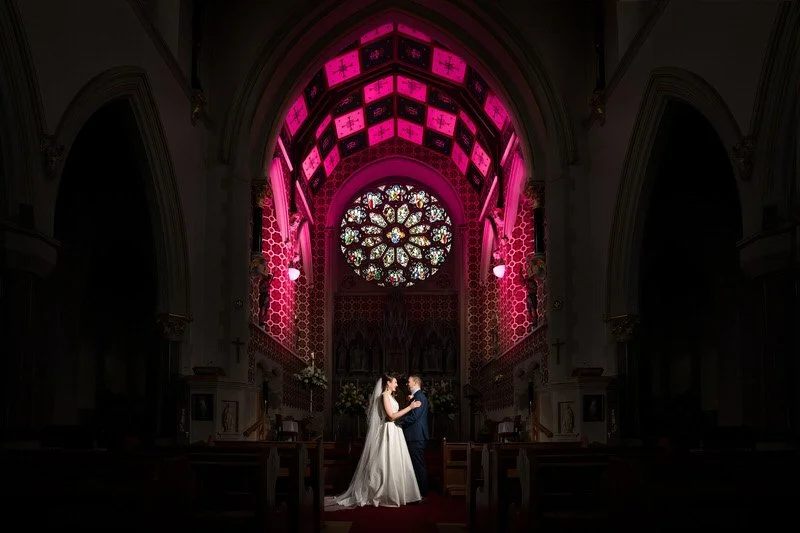
Ready To Capture Your Dream Wedding?
Don't leave your wedding day memories to chance. Make sure you're choosing a photographer prepared to capture every beautiful detail. Explore my Wedding Planning Guide for more tips and frequently asked questions.
Contact me today, and let's ensure your dream wedding is captured perfectly, down to the last detail.