Top Cathedral for Wedding Venues
Selecting a cathedral for your wedding enhances the spiritual and architectural significance of the ceremony, creating a memorable experience linked to historical tradition.
Consultation with clergy is essential for organising a meaningful ceremony, ensuring adherence to church traditions and addressing logistical aspects.
Early booking is crucial to secure your preferred wedding date. It allows ample time for planning additional details and ensures a smooth ceremony.
Choosing a Cathedral for Your Wedding
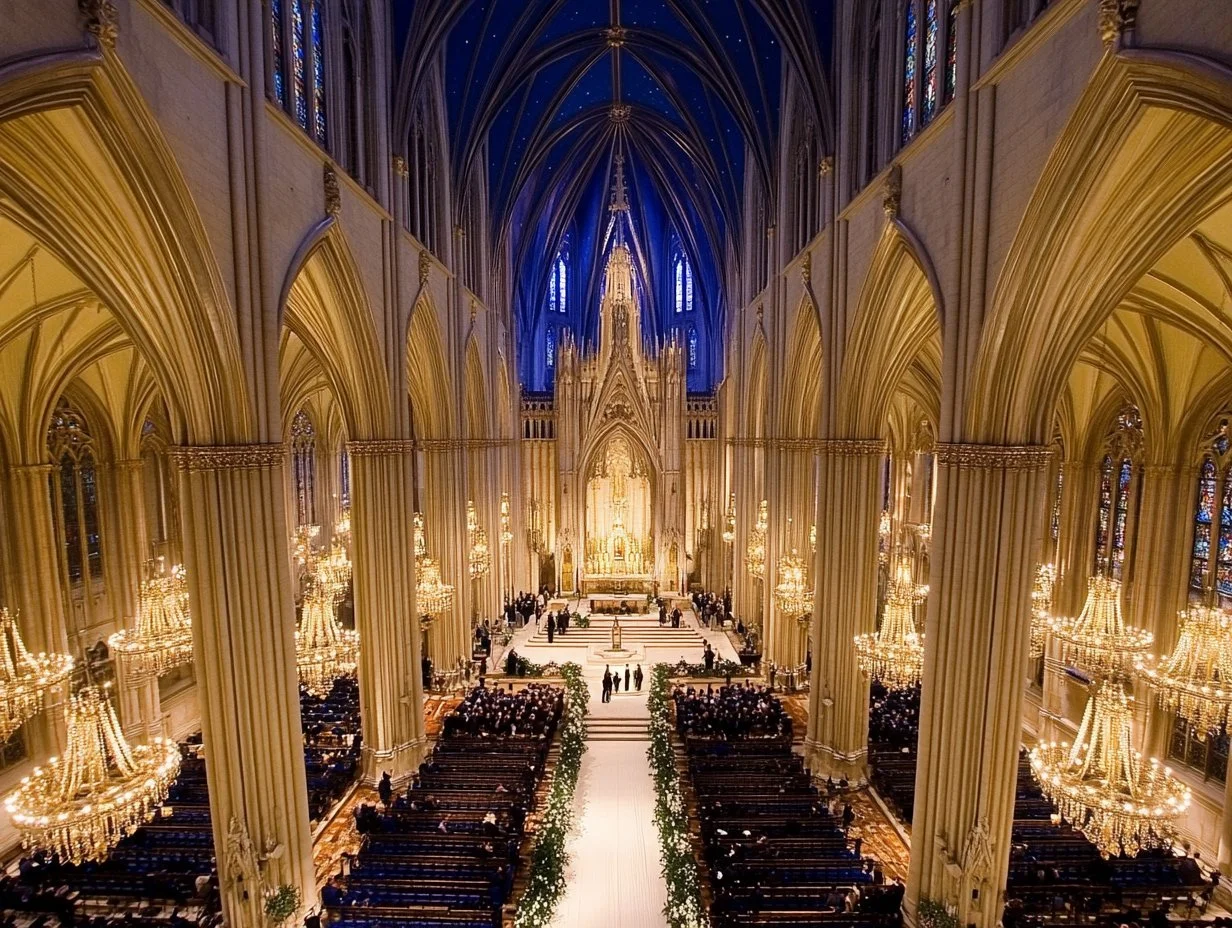
Selecting a cathedral for your wedding is a pivotal decision that influences the overall ambience of your ceremony. Renowned architects often design these grand structures, adding an exceptional touch to the occasion. The architectural splendour of these sacred spaces adds a layer of majesty that’s hard to find elsewhere.
Each cathedral’s historical context can enrich your wedding, linking you to centuries of tradition. Imagine tying the knot in Canterbury Cathedral, one of England’s oldest and most iconic Christian sites, where history and sanctity converge. These venues offer a stunning backdrop and a spiritual atmosphere that enhances the entire experience.
Cathedral weddings uniquely blend spirituality with architectural beauty. The tranquil setting lets couples concentrate on the spiritual importance of their vows, resulting in a memorable ceremony. Whether for an intimate gathering or a grand celebration, the proper cathedral can make your wedding day unforgettable.
Consultation with Clergy
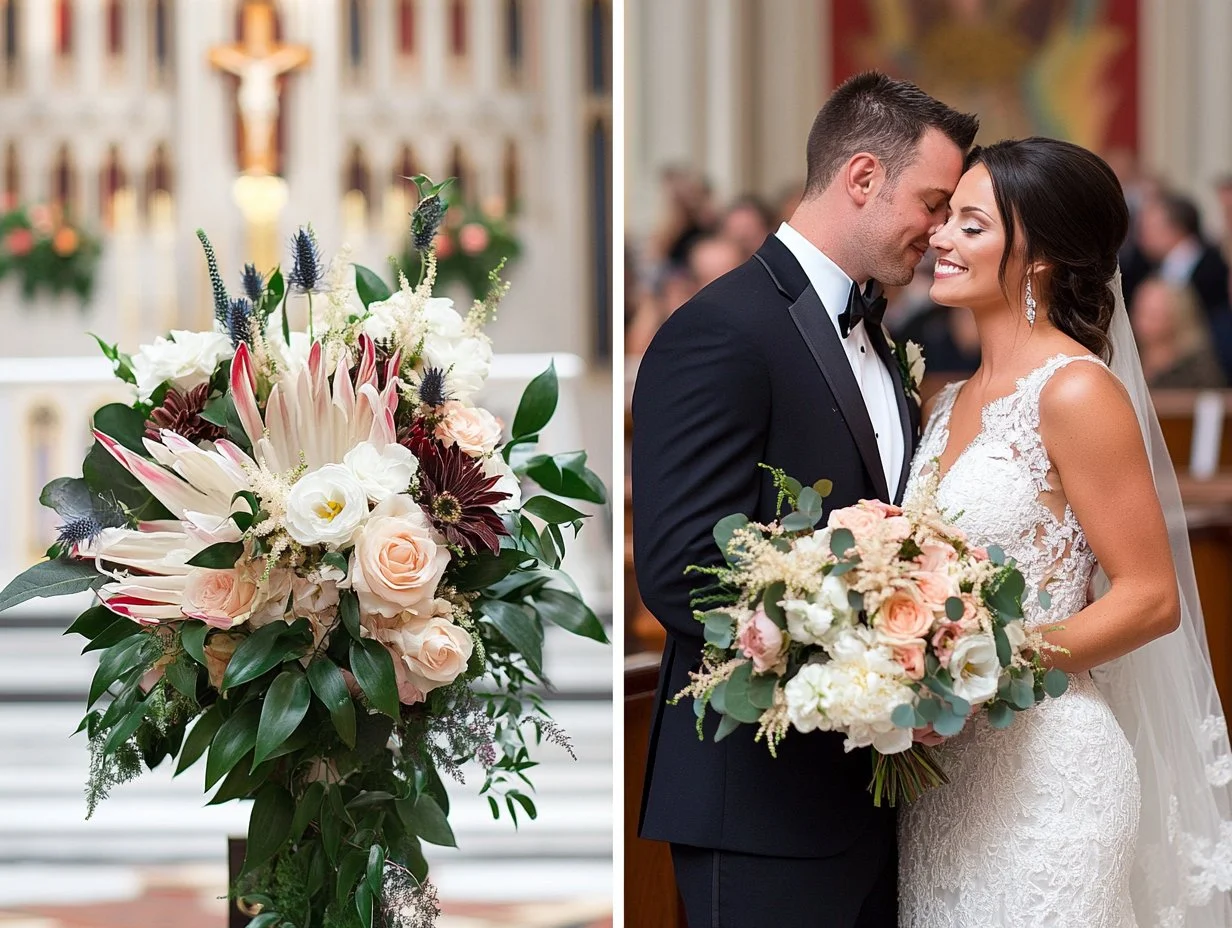
Consulting with clergy is fundamental when planning a cathedral wedding. Couples benefit from experienced staff who help organise and execute meaningful ceremonies, including baptism. Clergy guidance ensures your ceremony matches both your vision and church traditions.
Your initial enquiry will likely involve a meeting with the clergy to discuss your plans and build a personal connection. This meeting is also an opportunity to seek advice and clarify any church-specific traditions or requirements. Staying in touch with the church and attending services can foster a supportive relationship as your wedding day approaches.
Involving the clergy early in the planning process ensures all spiritual and logistical elements are addressed. You can choose additional components like special prayers and readings, adding depth to your vows. A verger can also be requested to help guests and manage logistics, ensuring a smooth ceremony.
Booking and Availability
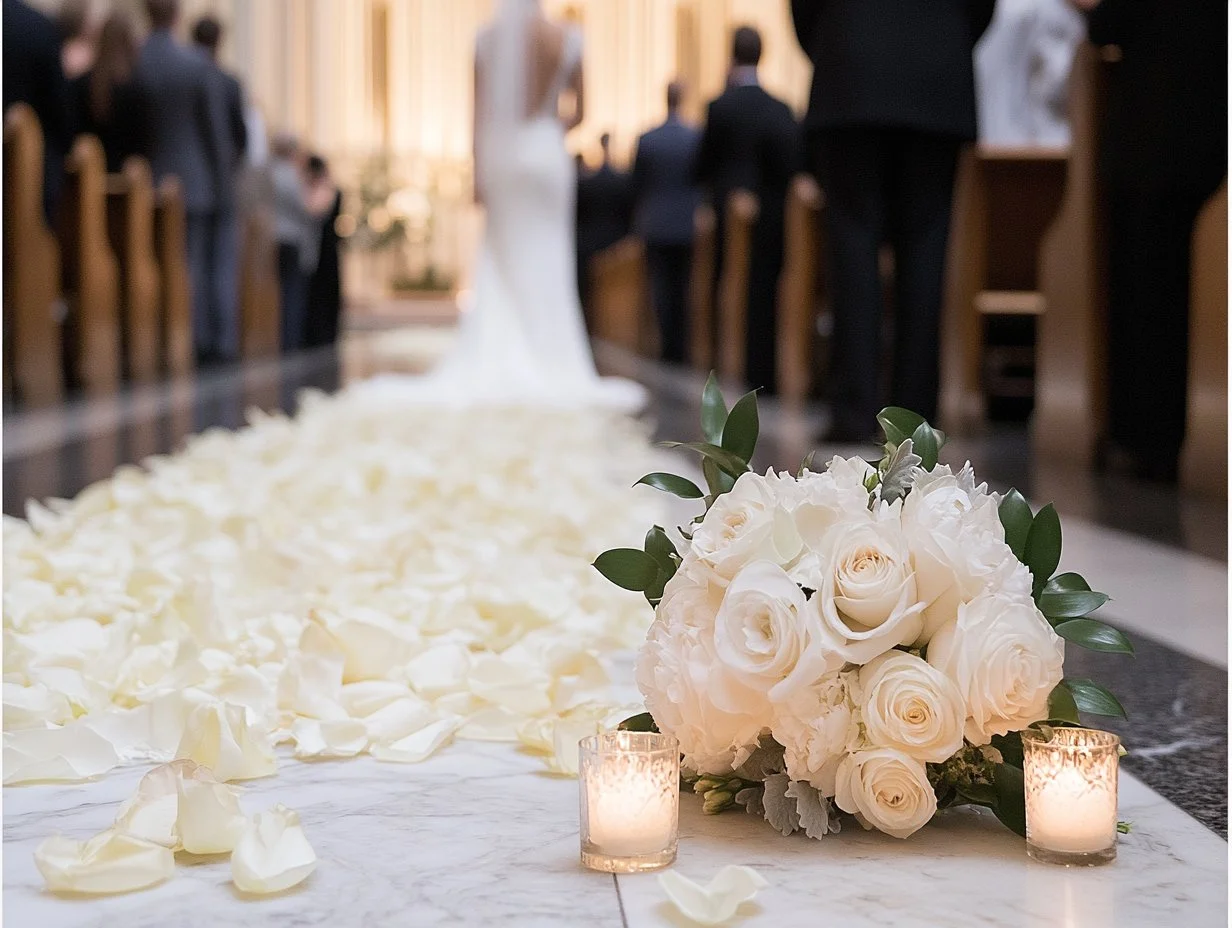
Securing your wedding date requires careful planning. Contact the vicar when you choose a church to ensure your preferred date is available. High demand for wedding bookings makes early reservations crucial.
If the church is available, your initial meeting with the vicar can finalise your wedding date. Early booking ensures your desired date and provides ample time to arrange other details. Booking early offers greater flexibility in planning your dream wedding.
Music and Hymns
Music dramatically enhances the spiritual and emotional atmosphere of a cathedral wedding. Your music choices should reflect your values and the significance of your relationship. The cathedral organist can help select hymns and music that resonate with you and your guests.
Hiring additional musicians can elevate the musical experience during the service. A deputy will be arranged if the original organist is unavailable, ensuring flawless musical elements. Cathedrals often have excellent acoustics, making vows and hymns more resonant and impactful.
Choosing familiar hymns encourages congregation participation, creating a communal worship experience. Typically, two hymns are included in the service. This involvement enhances the ceremony and strengthens the spiritual connection among attendees.
Floral Arrangements and Decorations
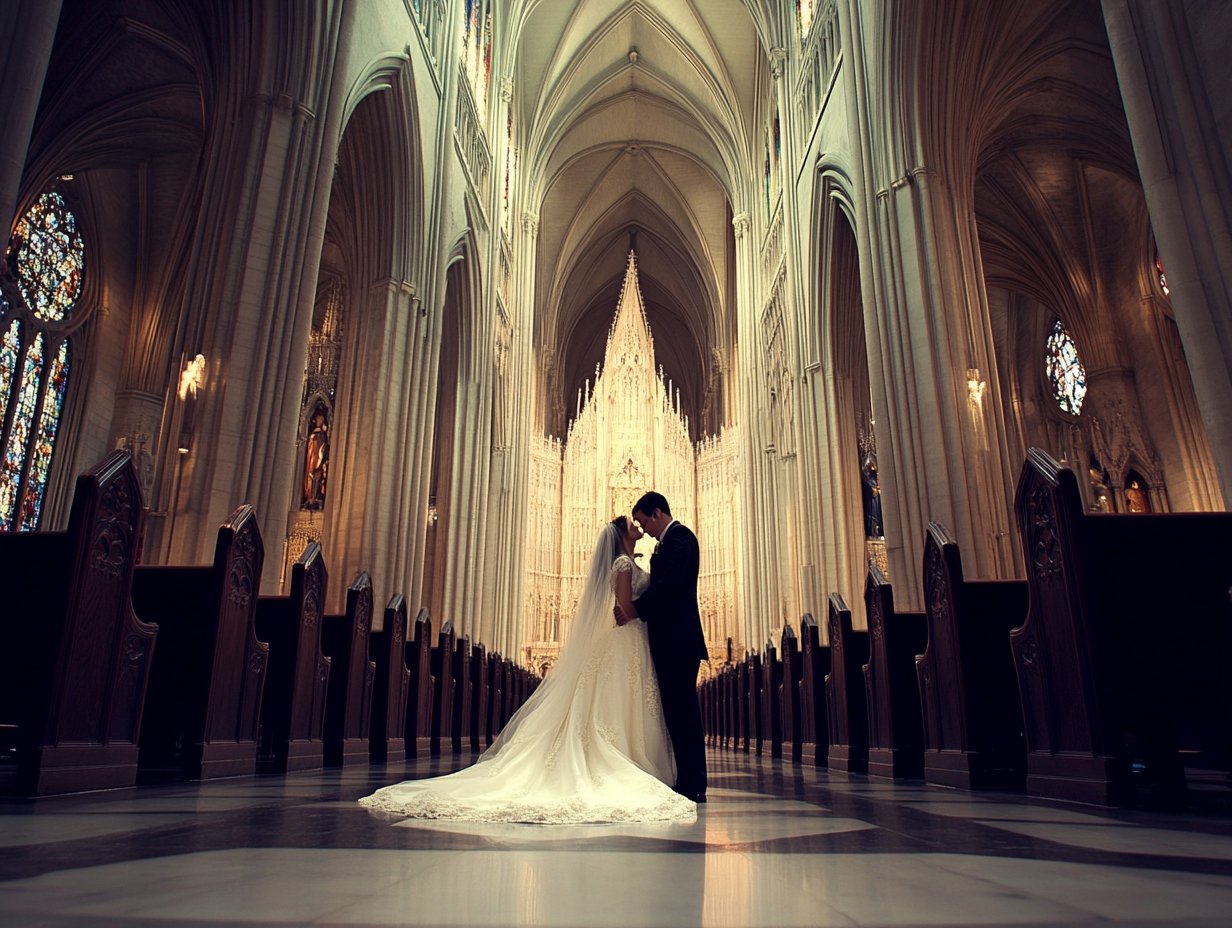
Floral arrangements and decorations significantly enhance the visual and emotional ambience of your wedding. Using seasonal flowers can improve visual appeal and be cost-effective. Consider placing flowers at the entrance, aisle, and altar for maximum visual impact.
Large decorative pieces at the church entrance can welcome guests and create a memorable first impression. More straightforward arrangements, like small bunches tied to the pews, add elegance without overwhelming the space. Repurposing flowers from the ceremony to the reception maximises their use and enhances the overall decor.
For added convenience, the church can provide floral arrangements for an additional charge. This option simplifies planning and ensures that decorations align with the church’s aesthetic.
Photography and Videography
Photography and videography are essential for preserving memories of your cathedral wedding. Specific guidelines help maintain the sanctity of the ceremony, such as stopping all recordings once the service begins to keep the focus on the sacred vows.
If a video is taken while the organist plays, their fee will be doubled to maintain quality and professionalism. Confetti and rose petals are also prohibited inside the cathedral to respect the sacred space.
Photographers can stand at the West End to film the processional and signing of the register without disrupting the ceremony. This allows for capturing significant moments while maintaining decorum. Restrained floral arrangements ensure unobstructed views, offering a clear and beautiful backdrop for photos.
Rehearsal and Final Preparations
A rehearsal before the wedding day ensures everything runs smoothly. It typically occurs the day before the wedding, often before the rehearsal dinner. Ideally, the rehearsal should be at the ceremony venue, but another location can be used if necessary.
Key participants, including the Bride, Groom, Best Man, Bridesmaid(s), Bride’s Father, other attendants, one usher, and mothers of young ones, should attend the rehearsal. It’s especially beneficial for ushers to attend and better understand their role.
A rehearsal addresses logistical details that might be overlooked for the wedding day. Assigning a wedding planner or officiant to lead the rehearsal ensures its effectiveness. This preparation ensures everyone knows their role, allowing the ceremony to flow seamlessly.
Legal Requirements and Documentation
Understanding the legal requirements and documentation for a cathedral wedding is essential. During your initial enquiry, the vicar will inform you of the legal requirements. Clergy ensure all legal obligations are met before the ceremony, including providing documentation of your connection to the church and proof of identity.
If either partner has been divorced, they must present their decree absolute to the vicar. The legal marriage age in England and Wales is now 18, removing the previous allowance for minors to marry.
Most Church of England weddings require reading banns at least four months before the ceremony. Weddings must take place between 8 AM and 6 PM on any day.
Fees and Payments
Understanding the fees and payment process is vital for planning your cathedral wedding. At Dunblane Cathedral, the cost for those with no parish connection is £750, including a £200 refundable fee. If a non-Parish Minister is arranged, an additional fee applies.
You will receive a fee invoice and a letter reminding you of important details. This ensures transparency and helps you plan your budget effectively. Discuss total wedding costs with your vicar early to get an itemised quote, aiding financial management.
Additional Services and Considerations
Additional services can enhance your cathedral wedding experience. Optional services like hiring an organist or florist will incur extra costs based on local rates. Discuss total wedding costs with your vicar early to receive an itemised quote.
Tower bells can be chimed or opened rung during the wedding. The bells sound for 10 minutes before and after the service.
Express permission from the Cathedral Minister is required to use candles, ensuring all safety and aesthetic standards are met.
Summary
Planning a cathedral wedding involves many detailed steps, from choosing the right venue and consulting with clergy to understanding legal requirements and arranging music and decorations. Each element contributes to creating a memorable and spiritually significant ceremony. Following these guidelines ensures that your wedding day is as majestic and meaningful as the love you share.
A cathedral wedding is not just a ceremony; it’s a journey that intertwines your love story with centuries of tradition and spirituality. Embrace the beauty and grandeur of these sacred spaces, and let your special day be a testament to the timelessness of love.


Frequently Asked Questions
How early should I book my wedding date?
You should book your wedding date as early as possible, ideally contacting the venue or officiant immediately after deciding to ensure availability. This proactive approach will help prevent potential scheduling conflicts.
Can I customise the music and hymns for my ceremony?
Yes, you can customise the music and hymns for your ceremony with the assistance of the cathedral organist, and hiring additional musicians can further enrich the experience.
What are the floral arrangement options?
Floral arrangement options include large decorative pieces for focal areas such as the entrance, aisle, and alta and more straightforward arrangements to enhance the overall aesthetic. Consider your space and theme to create a cohesive look.
Are there restrictions on photography and videography?
Yes, restrictions often apply to photography and videography during ceremonies, typically prohibiting it once the service begins to preserve its sanctity.
What are the legal requirements for a cathedral wedding?
A cathedral wedding requires proof of identity and the reading of banns, which the vicar will clarify during your initial inquiry. Meeting these legal requirements before proceeding with your wedding plan is essential.