The History Of Stanbrook Abbey Hotel

Set in the heart of the countryside, Stanbrook Abbey Hotel in Callow End, Worcester, has been a haven for centuries since the Benedictine nuns first founded the Abbey. As part of the long tradition of abbeys and monasteries in England, Stanbrook Abbey was established within the English Benedictine Congregation, tracing its roots to the 17th century. Before acquiring their permanent home, the nuns lived in two houses as temporary accommodations. In 1835, the nuns bought Stanbrook Hall, marking the beginning of their permanent home in Worcestershire. The Sisters of the Holy Cross have brought new life to the stunning buildings and grounds by transforming this historic site into a luxury hotel.
The luxury and wedding venue Stanbrook Abbey Hotel is the perfect setting for your ceremony, offering an excellent backdrop for photos. Join us as we explore the history and features of this exceptional venue.
Learn about Stanbrook Abbey Hotel’s history, from its founding by the Benedictine nuns to its transformation into a luxury hotel, now offering the finest British produce and award-winning wines.

Please take a look at the architecture and grounds of Stanbrook Abbey Hotel, which reflect the history and heritage of the Sisters of the Holy Cross. The hotel retains its elegant period features and monastic charm while offering modern amenities.
Make your dream wedding come true at Stanbrook Abbey Hotel, which features a chapel for ceremonies, great backdrops for photos, and reception venues fit for a princess. The Old Thompson Dining Hall and the Thompson Dining Hall offer a brasserie-style dining experience, featuring dishes crafted from heritage vegetables and Welsh lamb.

Stanbrook Abbey
Stanbrook Abbey Hotel, situated in the Worcestershire countryside, was originally a monastery founded by Benedictine nuns, with its history dating back to the Victorian Gothic Revival era and featuring influential figures such as Augustus Welby Pugin. This grade II listed red brick building on Tree Lane, Upton Road, was originally Stanbrook Hall, a simple country house purchased by the nuns in 1835 and later extended by architect Charles Day. The architectural history of the abbey reflects its transformation from Stanbrook Hall into the main abbey buildings, with Charles Day overseeing the initial extensions in the 1830s and Edward Welby Pugin later contributing to the design and expansion of the abbey buildings. The main abbey buildings, including the church, cloisters, and other monastic buildings, are significant examples of Victorian Gothic Revival architecture. The Stanbrook Abbey main building plays a central role in the overall monastic complex, showcasing the historical and architectural evolution of the site while retaining much of its original charm, making it an ideal retreat for a romantic break.
The Abbey's Beginnings
Stanbrook Abbey was founded by English Benedictine nuns in Worcestershire, many of whom were young women dedicated to a life of religious service. These young nuns, after facing severe hardships during the French Revolution—including imprisonment in Cambrai, where some nuns died due to poor conditions—decided to relocate to England. The original church in Cambrai was tiny, but it was well-maintained, and the community was closely knit. The convent was located on Rue des Anglaises, a street still associated with the English nuns. Inside the convent, girls received education and participated in daily religious routines alongside the nuns.
The Abbey’s history is also marked by the connection between two communities: Wass Abbey and Colwich Abbey, which share a significant historical bond dating back 364 years.
Situated in the peaceful countryside of Callow End, WR2 4TY, the Abbey was the ideal location for the nuns’ secluded monastic life.
In the mid-19th century, the Benedictine nuns sought a secluded spot to establish their monastery, and Worcestershire’s peaceful countryside proved to be the perfect location. Over the years, the Abbey gained fame for its prayer life, community spirit, and artistic endeavours.
The Stanbrook Abbey Press was established in the late 19th century and was responsible for preserving historical documents and literature. Their beautiful books were renowned for their exceptional quality and craftsmanship, attracting scholars, collectors, and readers alike.

The Benedictine Nuns
The Benedictine nuns were at the heart of Stanbrook Abbey’s history, dedicating their lives to prayer and education and preserving the site’s heritage. The nuns meticulously designed and maintained the Abbey’s buildings, including the original schoolhouse and the nuns’ cafeteria, ensuring the site’s beauty and significance for future generations. In addition to their dedication to education, the nuns ran a small school for local children, providing instruction and support to the community. As part of their daily routines, the nuns also produced fine paperwork and crafts, which contributed to the community’s income and showcased their skills.
Throughout the centuries, these dedicated nuns have lived a life of contemplation and prayer, governed by the papal enclosure that regulated their daily life and interactions, and actively engaged with the local community, offering spiritual guidance and support. Their monastery, set in the peaceful countryside, has become a haven of spiritual peace and tranquillity for those seeking escape from the hustle and bustle of modern life. The nuns' chapel, a dedicated place of worship within the abbey, stands as a testament to their enduring faith and tradition.
The Benedictine nuns have ensured the Abbey’s historical and cultural heritage is preserved by carefully maintaining its buildings and sacred objects so that future generations can continue to appreciate its beauty and significance.

Expansion and Growth
Throughout its storied history, Stanbrook Abbey has experienced remarkable expansion and growth, shaped by the vision and dedication of its Benedictine nuns. Under the wise leadership of figures like Lady Abbess Catherine Gascoigne, the community flourished, guiding the abbey through pivotal moments and ensuring its continued development. One of the most significant milestones in the abbey’s evolution was the construction of the Holy Thorn Chapel in 1885. This exquisite addition, featuring a revered medieval shrine, became a focal point for worship and reflection, further enriching the spiritual life of the abbey.
The growth of Stanbrook Abbey was not limited to its sacred spaces. The industrious nuns also established the renowned Stanbrook Abbey Press in the late 19th century. This printing press quickly gained a reputation for producing high-quality, handcrafted books, celebrated for their fine craftsmanship and attention to detail. The press became a beacon of literary excellence, attracting scholars and collectors from far and wide. Through these expansions—both architectural and cultural—the nuns ensured that Stanbrook Abbey would remain a vibrant centre of faith, creativity, and community for generations to come.
Modern Day Stanbrook Abbey Hotel
Today, Stanbrook Abbey Hotel combines historical charm with contemporary design. Visitors can enjoy traditional afternoon tea in the original nun’s refectory or a meal in the Refectory Restaurant, which offers a unique taste of the finest British produce. Comfortable table seating is available, making it a welcoming place for all, including families with children.
For those looking to stay overnight, the hotel offers a great night’s sleep in rooms that blend period features with modern comforts. The feature rooms on the ground and second floors showcase the building’s heritage while providing contemporary amenities.
The hotel grounds have been thoughtfully landscaped, featuring a tranquil lavender garden that adds to the peaceful atmosphere. As part of the modernisation, car parks have been added for the convenience of guests. Recent renovations and improvements have been overseen by new owners, further enhancing the property’s facilities and guest experience.
Guests can also enjoy a variety of activities, including table football for a bit of fun. Children’s menus ensure the younger guests are well-catered for, making it an ideal destination for families.
Stanbrook Abbey Hotel is one of Worcestershire’s best-kept secrets, offering a perfect retreat in a grade II listed monastery with a rich history and beautiful surroundings. Whether you’re planning a romantic break, a wedding, or a family getaway, this meticulously designed hotel promises an unforgettable experience.

The Stanbrook Abbey Hotel
The conversion of Stanbrook Abbey into the luxury Stanbrook Abbey Hotel was a significant project overseen by the Sisters of the Holy Cross and later by Handpicked Hotels, which aimed to preserve the history while providing modern comforts in the Worcestershire countryside. The nuns moved from their original location and bought the property to establish the abbey, marking a pivotal moment in their community's history. As part of the site's development, new abbey buildings were constructed, including a new church and modern facilities, which contributed to the property's unique character.
The Sisters of the Holy Cross Purchase
The Sisters of the Holy Cross purchased Stanbrook Abbey to transform it while preserving its history and spirituality.
With a deep respect for the history and sacred purpose embedded in the walls of the Abbey, the Sisters wanted to breathe new life into the space and create a modern-day sanctuary that would honour the past and serve the community of today.
After the nuns purchased Stanbrook Hall, the process of establishing the new monastery began. Construction and refurbishment efforts focused on building a new monastery that would blend modern design with traditional architectural features, ensuring continuity with the Abbey’s heritage. When they bought the property, they first assessed the structural integrity of the buildings, catalogued the artefacts and planned the refurbishment with a mix of modern design and traditional architectural features to ensure continuity with the Abbey’s heritage.
The Restoration and Refurbishment
The restoration and refurbishment of Stanbrook Abbey Hotel by Handpicked Hotels was a meticulous process of blending modern luxury with the property’s historic architecture.
While preserving the original 16th-century building, upgrades were made to enhance the guest experience. State-of-the-art technology was seamlessly integrated into the design, allowing guests to enjoy all the modern amenities within a historical setting. The interior was reworked to incorporate contemporary furniture and traditional elements, creating a timeless and welcoming space. In preserving these historical features, it is notable that while conventional printing methods, such as letterpress, ceased by 1990, some digital printing techniques continue as part of the Stanbrook Abbey Press legacy.

Community and Hospitality
At the heart of Stanbrook Abbey lies a deep commitment to community and hospitality, a tradition lovingly upheld by the Benedictine nuns for centuries. The abbey has always welcomed those seeking peace, reflection, or spiritual renewal, providing a sanctuary from the outside world. Over the years, the nuns have thoughtfully expanded the guest facilities, ensuring that visitors can enjoy both comfort and tranquillity during their stay. From serene guest rooms to inviting communal spaces, every detail is designed to foster a sense of welcome and belonging.
The Benedictine nuns’ dedication to hospitality extends beyond providing a restful retreat. They are passionate about preserving the abbey’s rich history and cultural heritage, carefully maintaining the historic buildings and treasured artefacts that tell the story of Stanbrook Abbey. This blend of warm hospitality and reverence for tradition creates a unique environment where guests can experience the timeless beauty and serenity of monastic life, all while feeling truly at home.
Welcoming Traditions Through the Ages
Since its founding in 1625, Stanbrook Abbey has been renowned for its welcoming traditions, a legacy that has been lovingly passed down through generations of Benedictine nuns. From the earliest days, the nuns have embraced the Benedictine principle of hospitality, greeting every visitor as if they were a cherished guest. This spirit of welcome has shaped the abbey’s identity, making it a place where all are invited to find rest, reflection, and renewal.
Each generation of nuns has built upon the work of those who came before, enriching the abbey’s tradition of hospitality with new touches and thoughtful care. Today, visitors to Stanbrook Abbey are greeted by the same warmth and kindness that have defined the community for centuries. The abbey’s beautiful gardens, historic buildings, and peaceful atmosphere offer a perfect escape from the demands of modern life, ensuring that every guest leaves with a sense of peace and belonging.
The Abbey’s Role in Local Life
Stanbrook Abbey has long been a cornerstone of local life, with its community of Benedictine nuns playing an active and compassionate role in the surrounding area. Over the centuries, the nuns have provided education, healthcare, and spiritual support to those in need, embodying the Benedictine values of service and stewardship. The Stanbrook Abbey Press has also been a vital part of the local community, offering employment opportunities and producing beautifully crafted books and printed materials that have enriched cultural life in the region.
Today, Stanbrook Abbey remains a beloved landmark, attracting visitors from near and far to its stunning gardens and historic buildings. The nuns remain deeply involved in local initiatives, supporting charities and community organisations, and working to uplift those in need. Through their ongoing commitment to service, the Benedictine nuns ensure that Stanbrook Abbey remains not only a place of spiritual refuge but also a vibrant and caring presence in the heart of the community.

Stanbrook Abbey Hotel Features
Stanbrook Abbey Hotel boasts numerous beautiful features, including the historic abbey church, which stands out for its significant religious and architectural heritage, well-preserved furnishings, and rich historical context. The hotel also features rooms built in the historic Pugin suite, St Anne’s Wing, Bell Tower, and Callow Great Hall. Within the grounds, you can find historic grave markers that were relocated from the nuns' cemetery as part of the site's preservation. It also offers luxurious dining at The Refectory and George’s Bar, all set in the Worcestershire countryside.
The Architecture
The architecture of Stanbrook Abbey Hotel, including the Pugin suite, St Anne’s Wing, Bell Tower, and Callow Great Hall, showcases Augustus Welby Pugin’s Victorian Gothic Revival style.
Pugin’s influence is evident throughout the Pugin suite, with its intricate woodwork, stained glass windows, and decorative motifs that reflect his love of the medieval. St Anne’s Wing, with its soaring arches and pointed spires, transports you back to the grandeur of the Victorian era. The Bell Tower is a dramatic focal point that echoes Pugin’s love of verticality and Gothic architecture. The Callow Great Hall is opulent with its ceiling frescoes, mouldings and fireplace crafted in Pugin’s style. Every area of Stanbrook Abbey Hotel tells a story of architectural and historical significance, inviting you to step into the world of Victorian Gothic Revival as seen through the eyes of the visionary Augustus Welby Pugin.
In recent years, the construction of a new church, completed in 2015, marked a significant development for the Stanbrook Abbey community, reflecting both architectural innovation and the community's ongoing expansion.
The Grounds
In the Worcestershire countryside, the extensive gardens of Stanbrook Abbey Hotel, including Willow Lake and the Malvern Hills, provide a beautiful and peaceful retreat for guests.
The gardens at Stanbrook Abbey Hotel add to the charm of this lovely setting. Meandering paths lined with colourful flowers lead guests on peaceful walks around the property. Guests can sit among the scented blooms for afternoon tea or find a shaded spot to sit and think.
Willow Lake mirrors the sky, creating a tranquil oasis. It’s the perfect spot for a leisurely picnic or sitting and listening to nature.
Today, Stanbrook Abbey is situated in North Yorkshire, within the scenic North York Moors National Park, which highlights its unique setting and regional heritage.
The Luxury Rooms
The luxury rooms at Stanbrook Abbey Hotel are elegantly furnished, have private dining areas, and have a wine cellar, all designed to make your stay in Worcestershire as comfortable and luxurious as possible.
Guests can dine in private areas, perfect for intimate occasions or celebrations. The wine cellar is stocked with an extensive selection of fine wines to enjoy with your meal or to relax in the evening. Every room is beautifully decorated to make you feel luxurious and pampered. The combination of modern and historic is the epitome of luxury.

The Meaning of the Name
Stanbrook Abbey has deep historical roots as a Benedictine monastery, with centuries of rich religious and cultural heritage. The abbey buildings, with their distinctive Gothic Revival architecture, are significant examples of monastic design and reflect the broader tradition of monasteries as centres of faith and heritage. Notable monasteries, such as Abadia de Santa Maria, founded by Brazilian nuns in the early 20th century, further illustrate the enduring influence and expansion of these religious communities worldwide.
What is Stanbrook Abbey
Stanbrook Abbey is a centre of religious and cultural heritage in Worcestershire. It was initially a Benedictine nun’s monastery, founded by Dame Gertrude, a prominent nun of noble heritage and the great-great-granddaughter of Saint Thomas More.
The Abbey was founded in 1625 and has been at the heart of spiritual life in the area for centuries. The Benedictine nuns preserved ancient manuscripts and artwork, thereby enriching the area’s cultural heritage. Their prayer and scholarship have left a lasting legacy for the community, inspiring generations of believers to live lives of contemplation and service. Notably, the first Roman Catholic archbishop in Australia, John Bede Polding, had a significant connection to the abbey and its history. The new church built at Wass houses relics believed to belong to St Fulgentia, placed under the altar, further enhancing the abbey’s spiritual significance. Stanbrook Abbey’s architecture and peaceful surroundings attract visitors seeking solace and quiet reflection.
The Sisters of the Holy Cross
The Sisters of the Holy Cross played a crucial role in the restoration and preservation of Stanbrook Abbey, ensuring its legacy would endure through the ages.
Notably, Dame Magdalen Le Clerc and Sister Scholastica Gregory, both nuns from Stanbrook Abbey, played a pivotal role in establishing Jamberoo Abbey in Australia, contributing to the founding and early development of the monastery. In recent history, the community relocated from their ageing monastery to a new facility at Crief Farm in Wass, marking a significant chapter in their ongoing story.
Through their hard work and expertise, the Sisters preserved the Abbey’s architecture and added modern elements to make it accessible to visitors and serve the community. Their attention to detail in restoring the Abbey’s original features and making it functional shows a perfect blend of past and present. This has enabled Stanbrook Abbey to remain a symbol of history and spirituality, as well as a haven for those seeking solace and connection in a peaceful environment.

Wedding Venue
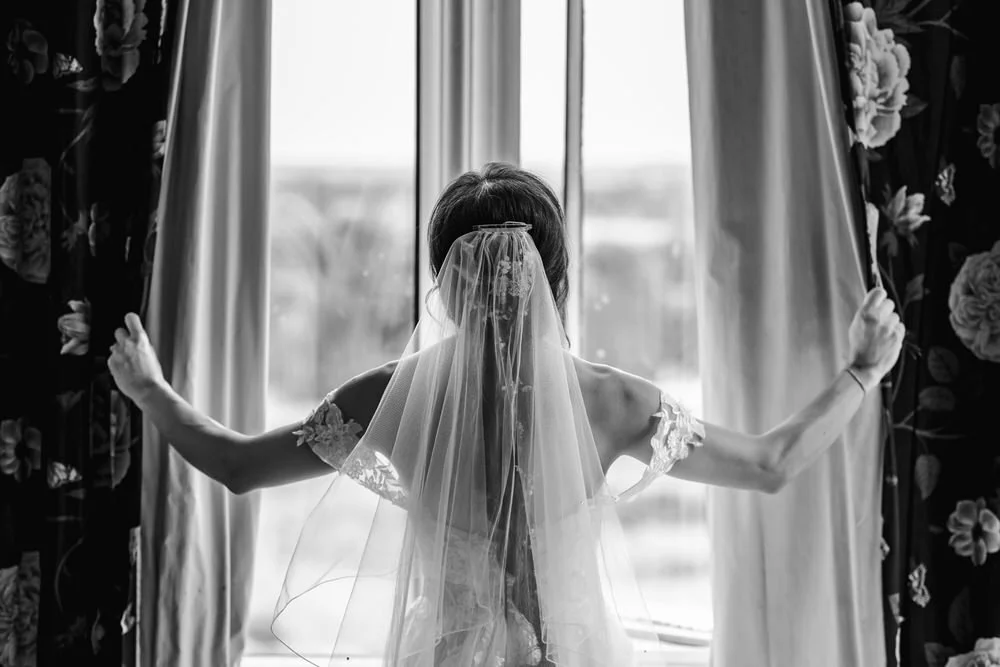
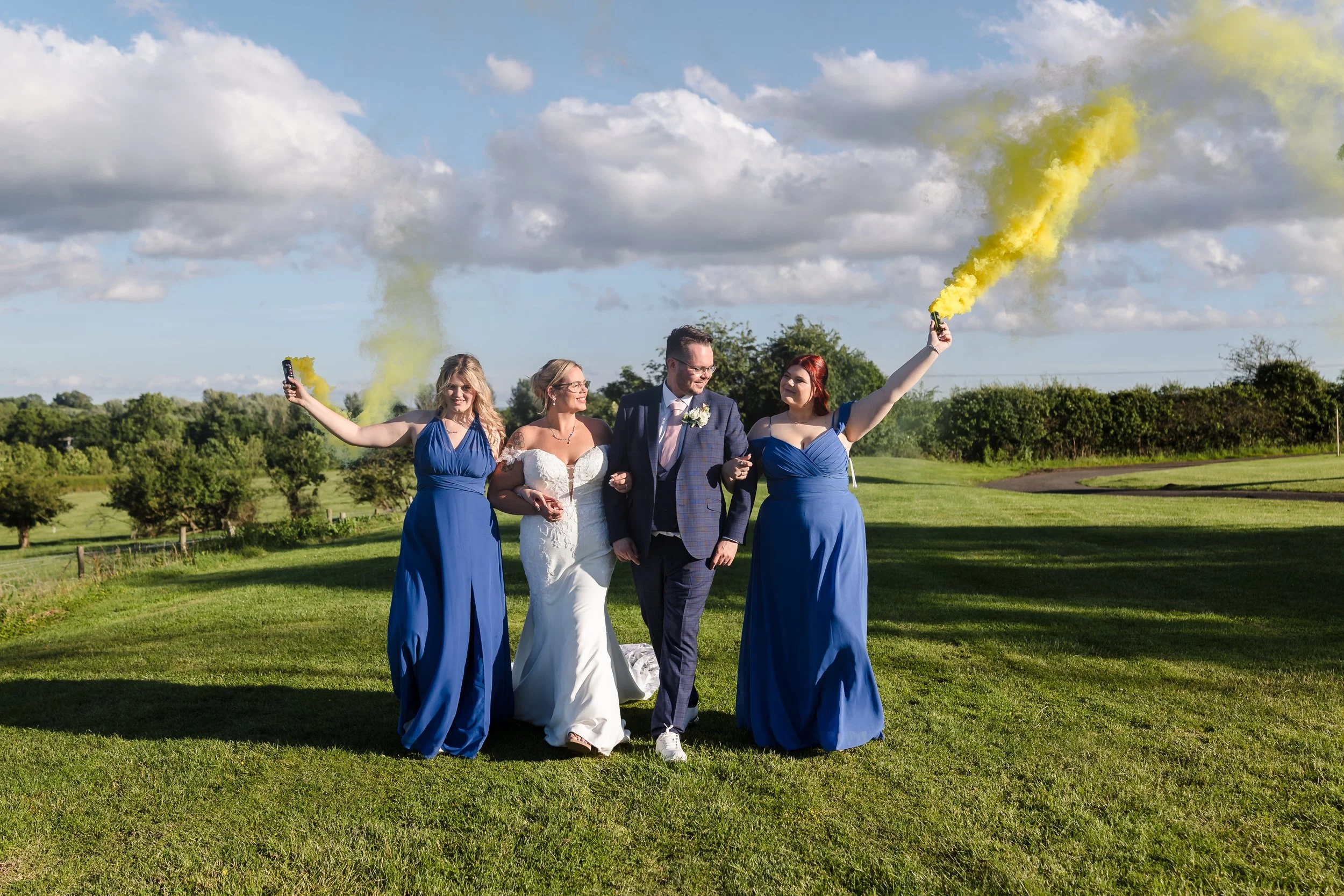
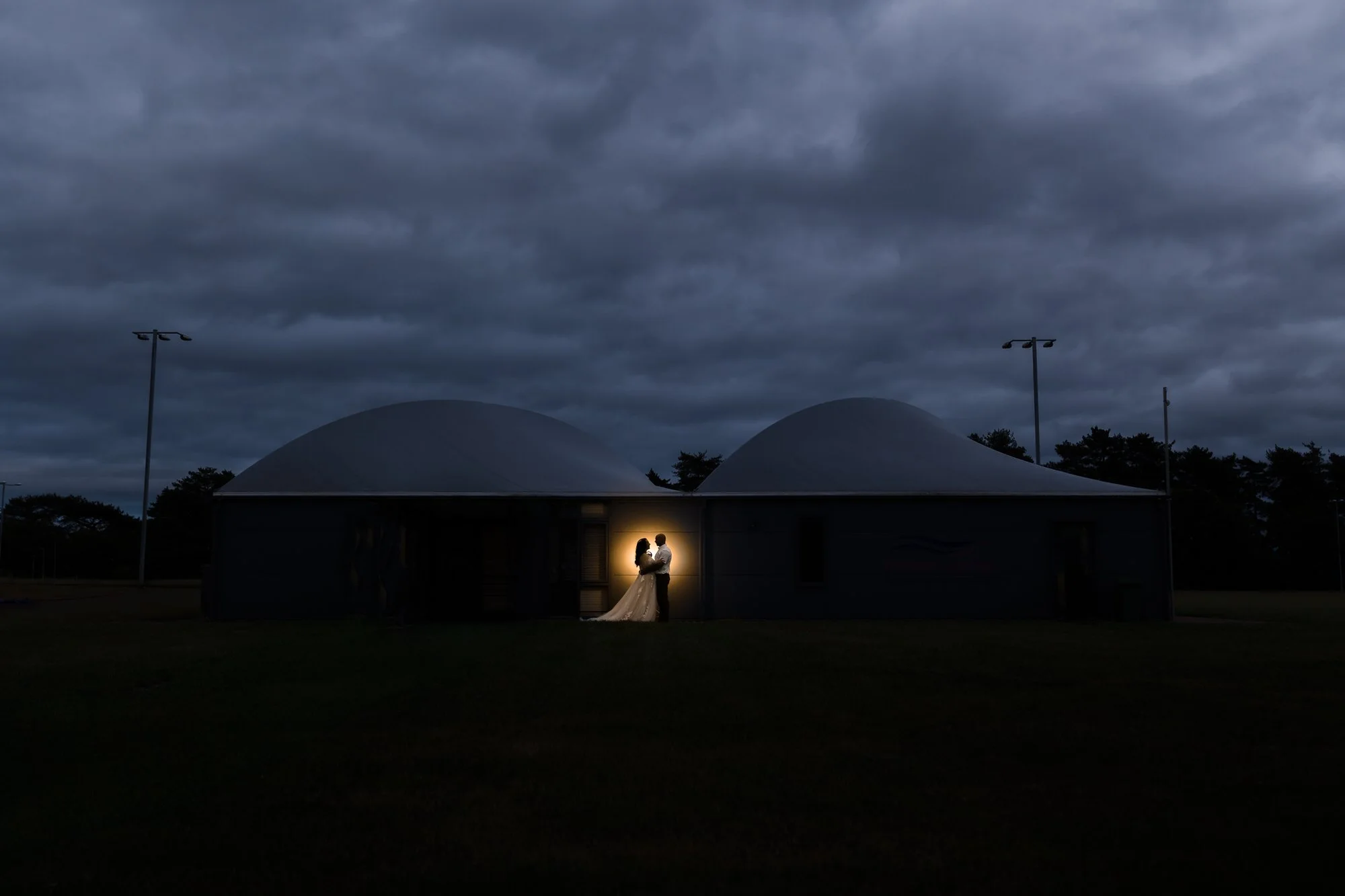
Stanbrook Abbey Hotel is a perfect wedding venue in Worcestershire. Its beautiful chapel, stunning photo backdrops, and elegant reception rooms will make your day unforgettable.
The Chapel with Gothic stained glass windows
The chapel at Stanbrook Abbey Hotel is a beautiful and sacred space for your wedding ceremony, creating an atmosphere of luxury and reverence for your special day.
With high ceilings and stained glass windows that filter natural light, the chapel is a peaceful and intimate space, perfect for exchanging vows and celebrating love. The wooden pews are comfortable for your guests, and the soft candlelight adds a romantic touch.
The chapel's design seamlessly combines modern elements with historic charm, making it a versatile backdrop for any wedding theme or style. Whether you want a traditional or contemporary ceremony, the chapel's timeless appeal suits every couple's vision.

Backdrops for Photos
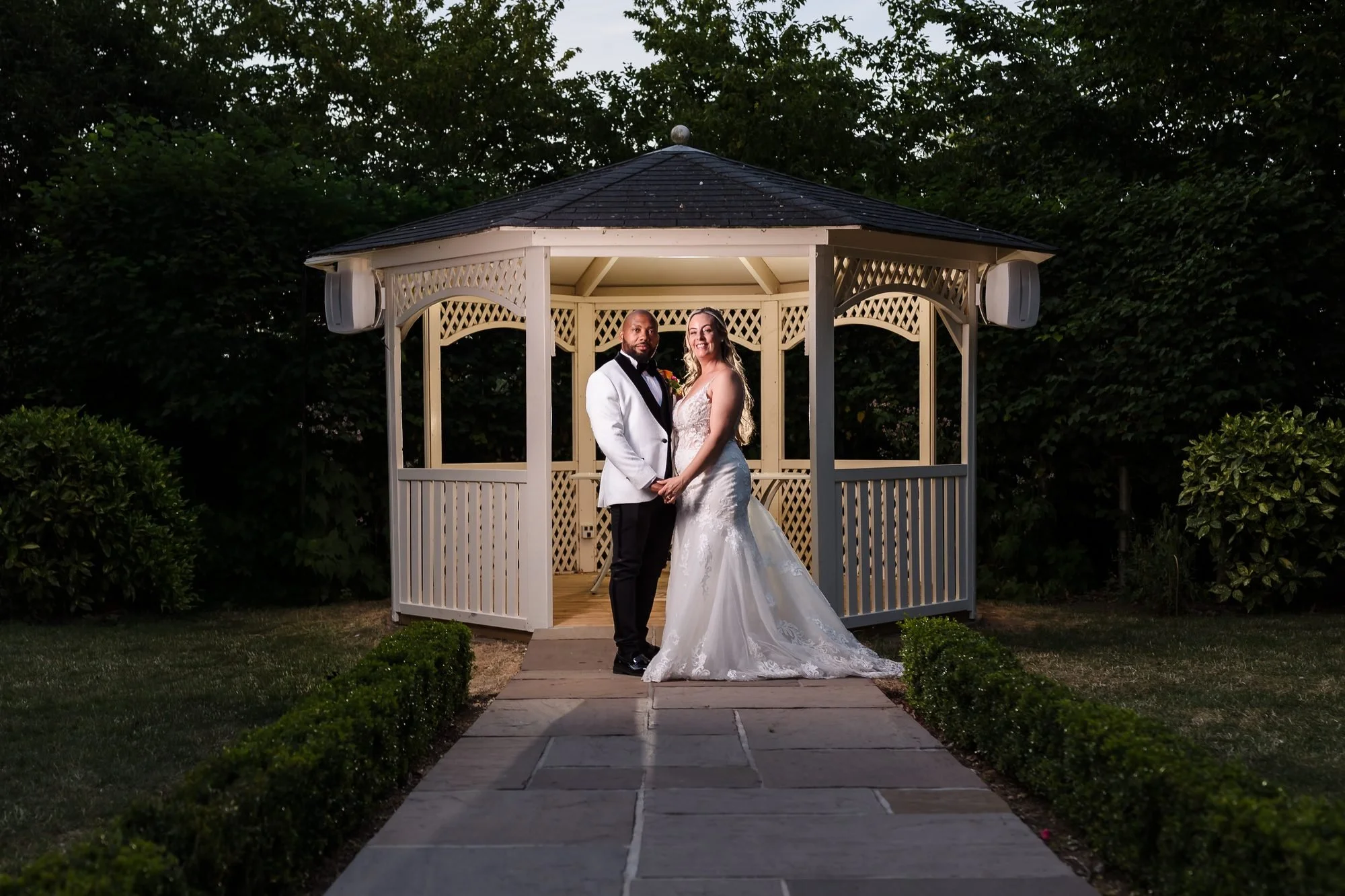
Stanbrook Abbey Hotel, with its stunning gardens and historic architecture, provides a beautiful backdrop for your wedding photos. It is located in the heart of Worcestershire.
From the gardens to the ivy-clad walls of the Abbey, every area of the estate is a photo opportunity.
The peaceful lakeside gazebo, surrounded by flowers, and the grand staircase to the ballroom are just a few romantic spots that make for a pleasurable wedding photography experience at Stanbrook Abbey.
Reception Rooms and dramatic stone cloisters
The reception rooms at Stanbrook Abbey Hotel, including the Callow Great Hall and the private dining areas, as well as seven additional rooms, are elegant spaces to celebrate with family and friends.
For a special event or big occasion, the Callow Great Hall, with its high ceilings and impressive architecture, is a magnificent backdrop for a grand event.
For a more intimate occasion, the private dining areas are perfect for smaller gatherings or rehearsal dinners.
Each venue at Stanbrook Abbey Hotel seamlessly combines historic charm with modern luxury, ensuring that whatever the occasion, your wedding will be unforgettable.

FAQs
1. What is the history of Stanbrook Abbey Hotel?
Stanbrook Abbey Hotel has a history dating back to the 16th century, when it was first established as a Benedictine monastery, later converted into a country house, and now operates as a luxury hotel.
2. When did Stanbrook Abbey Hotel open as a hotel?
Stanbrook Abbey Hotel opened in 2009 following a major restoration that retained its historic charm while adding modern facilities.
3. Who lived in Stanbrook Abbey originally?
Stanbrook Abbey was home to a community of Benedictine nuns who lived and worked on the estate for centuries. The monastery was a place of spiritual retreat, prayer, and manual work.
4. What has happened at Stanbrook Abbey Hotel?
Over the years, Stanbrook Abbey Hotel has hosted numerous historical events, including a lunch with Queen Elizabeth II in 1966 and a visit from the Dalai Lama during his trip to the UK in 2012.
5. How has Stanbrook Abbey Hotel retained its history?
Despite being a hotel, Stanbrook Abbey has retained its history by carefully restoring its original architecture and features. The hotel also offers guests guided tours and historical exhibits to provide a deeper understanding of the site.
6. Is Stanbrook Abbey Hotel a wedding venue?
Yes, we are a wedding venue with beautiful grounds and elegant rooms, perfect for your special day. We have an events team to help plan and deliver your special day.