How Long Do You Need a Photographer at Your Wedding?

Most couples book between 6 and 10 hours of wedding photography coverage.
Eight hours is the most popular choice and for good reason. It covers bridal preparations through to the first dance, which is the complete story for most weddings.
But the right answer depends on your day. A small registry office ceremony needs a very different approach from a full church-to-reception celebration with 120 guests.
I'm Paul Hickey from Once in a Lifetime Photography, based in Worcestershire. I photograph around 25–30 weddings a year across Worcestershire, Warwickshire, and the wider West Midlands. This guide covers the practical decisions couples face when planning their photography coverage.

How Many Hours of Wedding Photography Do You Actually Need?
The honest answer: most couples need more than they initially think, and fewer than they're sometimes sold.
Here is a practical breakdown by coverage length.
3 Hours: Registry Office and Intimate Ceremonies
Three hours of coverage suits a registry office ceremony or a very small, single-location wedding, and it can work well for couples who want just the ceremony plus a few essential portraits.
A 3-hour session typically covers:
Guest arrivals and atmosphere before the ceremony
The full ceremony (usually 20–30 minutes)
Confetti or post-ceremony celebrations
Small group photos
Couple portraits (up to an hour)
This is not a compromise. For an intimate wedding with fewer than 30 guests at a single venue, three focused hours can still capture the essential wedding photos and produce a complete, coherent set of images. My registry office package starts at £395 and delivers 100–150 professionally edited photographs.
What three hours do not cover: bridal preparations, extended reception coverage, or evening celebrations.
6 Hours: Small Weddings and Elopements
Six hours of coverage works for smaller weddings or elopements at one location, and can suit short coverage, but offers limited flexibility.
A 6-hour session can include:
Bridal preparation coverage (45–60 minutes)
Full ceremony coverage
Group photographs
Couple portraits
Early reception and guests
The limitation is time pressure. Six hours can work when the ceremony time and the rest of the schedule are tightly structured, but unexpected delays are common. Guests run late—the ceremony overruns. The group photograph list takes longer than expected.
Shorter timelines often lead to rushed photography sessions. If anything slips, a couple of portrait times are usually the first things lost, and having a little more time creates breathing room.
Six-hour coverage is less suitable when the ceremony and reception are at different locations. Travel time between the ceremony and reception locations needs to be factored into the schedule, and a 6-hour total can evaporate quickly when 30–45 minutes of it is spent in transit.
8 Hours: The Most Popular Wedding Photography Package
Eight hours of coverage is the sweet spot for many weddings, giving balanced wedding coverage and the complete core story for most couples.
Eight hours typically cover:
Bridal preparations (dress, details, getting ready atmosphere)
Groom preparation if a second photographer is present
Full ceremony coverage, including ceremony details and reactions
Confetti and post-ceremony celebrations
Family photos
Couple portraits, ideally in the golden hour
Wedding breakfast details and décor
Speeches
First dance
Getting ready photos capture something that shorter packages miss entirely: the anticipation, the atmosphere, the small moments before everything begins. These photographs often become some of the most-viewed in the final gallery.
Eight hours also allows time for natural creative portrait work as the light changes, with cocktail hour often giving a useful window for candid coverage and portraits. Late afternoon light is different from midday light, and the best couple portraits usually happen in that window.
My Signature Wedding Photography package covers 8+ hours at £1,395 for 2026 weddings. It includes a second photographer throughout the day and delivers 700 or more edited images.
10 Hours: Full Narrative Coverage for Larger Weddings
Ten hours of coverage is recommended for larger weddings or celebrations spanning multiple venues, as it better captures the full story throughout the day.
Ten or more hours allows for:
Extended preparation coverage for both partners simultaneously
Full ceremony coverage without time pressure
Comprehensive group photograph programme
Relaxed couple portrait sessions at multiple points in the day
Complete reception coverage, including all speeches
Evening creative portrait work
Late-night dance floor coverage
Ten hours of coverage allows for a complete wedding story. Ten hours provides relaxed coverage. Buffer time in the schedule accommodates the delays that happen at every wedding without anyone noticing, and it makes a huge part of the day feel less compressed.
For weddings with 100 or more guests, multiple venues, or evening celebrations that are as important as the ceremony, 10-hour coverage is worth the additional investment. Capturing candid moments after the ceremony, guests relaxing, the room filling, children on the dance floor, the evening party, cake cutting, or a send off reveals a dimension of the day that tighter timelines cannot accommodate. It is not simply about more photos, but about protecting the flow of the day and preserving the moments that matter most.

Key Questions That Affect How Much Coverage You Need
Are you getting ready at the same venue as the ceremony?
If the wedding party is getting ready in the same place as the ceremony venue and reception, or if those locations are close together, the day is photographically efficient. There is no travel time, and the transition from preparation to ceremony is seamless.
I typically suggest starting photography three hours before the ceremony when everything is at the same location, though the recommended start time depends on the ceremony time. This covers bridal preparation, the venue details, and the calm before guests arrive.
When the ceremony and reception are at different venues, factor in travel time. A 45-minute drive between the church and the reception venue effectively costs an hour of photography time when you account for travel and settling in. Different locations can shift the wedding timeline more than couples expect.
Do you want photographs of you getting ready?
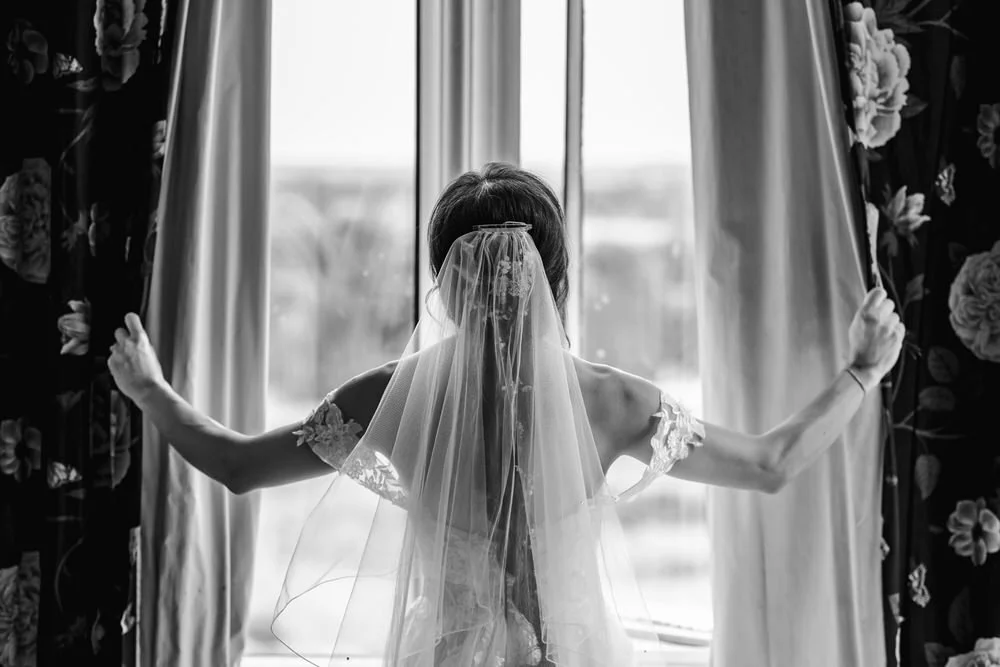
Preparation photographs are not just nice extras. They capture the atmosphere and anticipation that define the start of the day, a moment that does not exist anywhere else in the timeline, and can help tell the full story.
Getting-ready photos also include detail shots of the dress, flowers, shoes, rings, and the venue itself, before guests arrive. These form the opening chapter of the wedding story.
If getting ready photographs matter to you, build that time into your coverage. A second photographer can cover the groom's preparations simultaneously and capture family members or other meaningful interactions during preparations.
Do you want evening reception photography?
Most photographers providing all-day coverage plan to finish after the first dance. If your evening reception is a significant part of your celebration, dancing, special events, a band, a full dance floor, late-night guests, and additional evening coverage make sense.
Late-night dance floor shots require additional hours beyond a standard package. If you'd like that energy documented, please discuss it before booking. An extra hour can make the most sense if the evening matters more than morning prep.
Are you having creative night portraits?
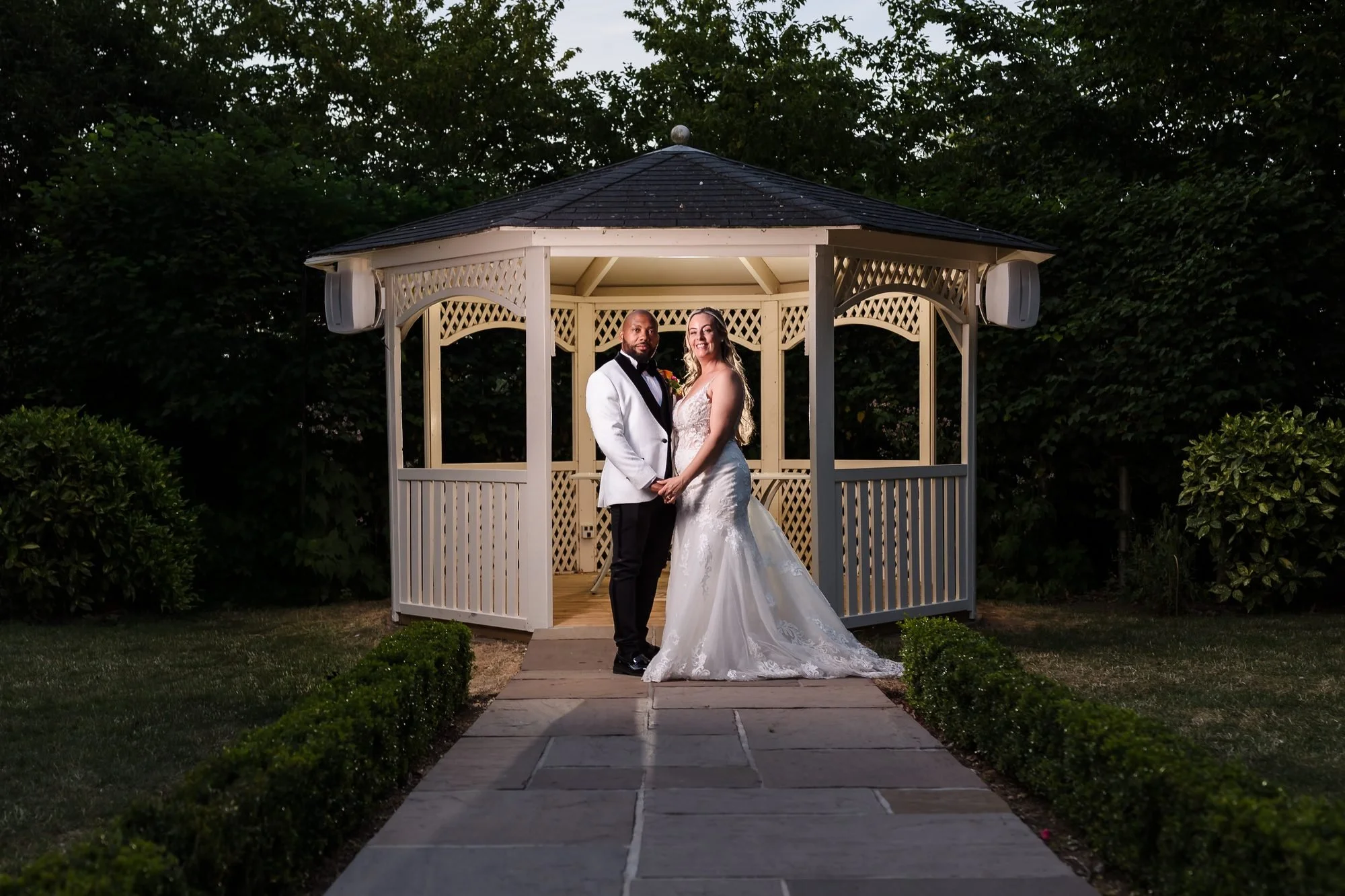
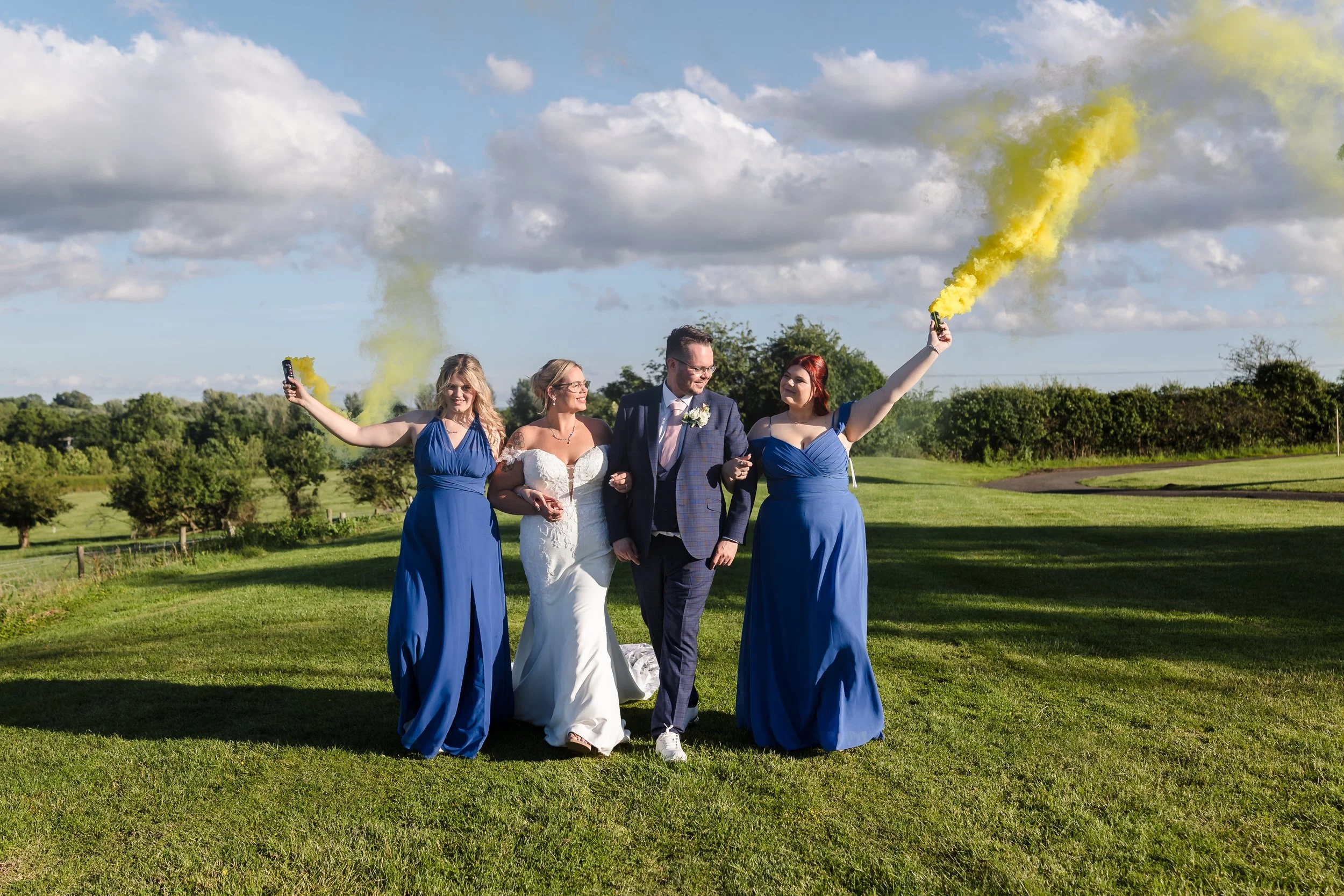
If creative evening portraits are part of your plan, off-camera flash, smoke effects, coloured gels, or champagne sprays, these sessions usually work best when built into the wedding timeline rather than treated as an afterthought. They typically take 15–20 minutes and happen after the first dance or during the evening reception. They do not usually require additional hours, but they do need to be built into the evening schedule.

How Does a Second Photographer Affect Coverage?
A second photographer does not simply mean more photographs. It means simultaneous coverage of the bride walking to the ceremony and the groom's face when she arrives. The family table and the dance floor are at the same time—the speeches from two angles.
For 8+ hour packages with Once in a Lifetime Photography, a second photographer is included as standard. This is not a premium add-on. It is part of how full-day coverage works properly.

Common Mistakes When Planning Photography Coverage
Booking too few hours and then adding on the day. It is much better to plan the coverage you actually want from the start, even if, when you first enquire, you only have a rough idea of your schedule, which is completely normal. Last-minute additions are rarely seamless.
Not accounting for travel time. If your ceremony is at a church and your reception is 20 minutes away, that is 40 minutes of your photographer's time spent in transit. Plan accordingly.
Finishing coverage before the evening is established. The first dance is a natural endpoint for many packages. If your evening is important to you, please discuss extending coverage before you book, not at the end of the wedding day.
Underestimating group photos. A list of 15 group combinations takes 30–40 minutes when guests are cooperative. More combinations or a less well-organised list take longer. Build in the time.
A practical guide to wedding photography timelines
| Wedding type | Coverage | What's included |
|---|---|---|
| Registry office, under 30 guests | 3 hours | Arrivals, ceremony, confetti, couple portraits |
| Small wedding, single venue | 6 hours | Preparation, ceremony, groups, portraits, early reception |
| Standard wedding, 60–120 guests | 8 hours | Full preparation, ceremony, groups, portraits, speeches, and first dance |
| Larger wedding, 120+ guests | 10 hours | All of the above plus relaxed coverage and evening coverage |
| Multi-venue or multi-day celebration | 10–12 hours | Complete day with travel time absorbed and key moments across all venues |
Eight hours is the most popular choice. It covers the complete story for most weddings — preparation through to the first dance — without wasted time or rushed decisions.

What Most Couples Choose
Based on the weddings I photograph across Worcestershire and the West Midlands, the breakdown looks roughly like this and gives couples a general idea of what coverage times tend to suit each type of day:
Registry office ceremonies: 3 hours
Small weddings and elopements: 6 hours
Standard full-day weddings: 8 hours (by far the most common)
Larger celebrations or multi-venue days: 10 hours
Eight hours is the most popular wedding photography package because it covers the complete story from the quiet of the morning through to the dance floor without wasted time or rushed decisions.

Frequently Asked Questions
How long do you need a photographer at your wedding?
Most couples need 6–10 hours of photography coverage for a standard wedding ceremony and reception timeline. Eight hours cover the complete story for a standard wedding: preparation, ceremony, portraits, reception, and first dance. Smaller weddings or registry office ceremonies can be well served by 3–4 hours. Larger weddings with multiple venues or significant evening celebrations benefit from 10 hours of coverage. If you only have a rough idea of your plans at this stage, that is completely normal.
Is 8 hours enough for a wedding photographer?
Yes, for most weddings. Eight hours cover preparation through to the first dance. It allows time for natural couple portraits, group photographs, and candid reception coverage without pressure. A second photographer working simultaneously means nothing significant is missed.
What is included in a typical wedding photography package?
A standard full-day package includes 8 or more hours of coverage, a second photographer, and 500–700 or more edited images delivered via an online gallery. Some packages include albums, engagement shoots, or cinematic videos. My Signature Wedding Photography package for 2026 is £1,395 and includes 8+ hours, a second photographer, 700+ images, and an online gallery delivered within eight weeks.
How much does it cost to extend wedding photography coverage?
Additional hours beyond a standard package typically cost £100–150 per hour. The best time to discuss extended coverage is before you book, not on the day itself.
Should you have a photographer at the evening reception?
It depends on how significant the evening is to you. If your reception is primarily about dinner and speeches, coverage through the first dance is usually sufficient. If your evening includes a live band, a full dance floor, or specific evening guests you want photographed, extending coverage makes sense.

Planning Your Wedding Photography Coverage
If you are planning a wedding in Worcestershire, Bromsgrove, Kidderminster, Worcester, or the wider West Midlands and would like to discuss the right coverage for your day, get in touch.
I respond to all enquiries within 24 hours. A call or meeting costs nothing and is useful even if you only have a general idea of the day so far or are still in the middle of wedding planning, as it will give you a clear picture of what different coverage options actually look like in practice.
Once in a Lifetime Photography | Paul Hickey | Worcestershire Wedding Photographer
Wedisson Award Winner | Flashmasters Gold Award