St Mary and All Saints Church - Kidderminster: A Historical Gem for Weddings and More


This prominent religious landmark in the historic Worcestershire town of Kidderminster, with its majestic Grade 1 listed status, plays an integral role in the town's history, tracing its origins back to the Domesday Book.
As a beautiful location suitable for weddings, its extensive history is rich and intriguing. At the heart of its worship services, a historic organ resounds with melodies through the hallowed halls, initially installed in 1848 by George Holdich. After many restorations, it now boasts a grand 3-manual and pedal pipe organ, encased by Giles Gilbert Scott in 1927. The detailed specifications of this organ are registered with the National Pipe Organ Register.
The Whitall Memorial Chapel hosts another organ, enhancing the musical and historical ambience.
The building provides a picturesque and memorable venue for those planning a wedding. If you need a seasoned Worcestershire wedding photographer, please get in touch with us.

St Mary and All Saints Church Today
St Mary and All Saints Church continues to stand as a symbol of historical significance and spiritual guidance for the people of Kidderminster. Maintaining its impressive Perpendicular Tower, stunning Organ Chamber, and the significant North-East Side Addition, the church is a place of worship, prayer, and community gathering. Over the centuries, its architecture has preserved the essence of the past while adapting to serve the needs of its parishioners.
Today, St Mary and All Saints Church is a popular venue for religious ceremonies, including weddings and baptisms. The church boasts a rich and evocative atmosphere thanks to its original architectural features and stunning array of religious artefacts. The church's clergy and wedding coordinators are committed to providing a memorable and personalised experience for all couples wishing to exchange vows in this historic setting.
Furthermore, St Mary and All Saints Church is also a place of learning, offering visitors insights into Kidderminster's rich history and the church's role over the centuries. The church's commitment to preserving its heritage is evident in its extensive collection of historical artefacts, from the impressive organ installations to the finely detailed stained glass windows.
As part of the Churches Together in Kidderminster Ismere, it fosters inclusivity and diversity, embodying the Christian faith's values. The church hosts various community events, with performances on its historic organ, enriching the community's cultural life.
In addition to its regular services, the church hosts various community events and concerts, featuring performances on its historic 3-manual and pedal pipe organ. These events provide opportunities for the community to come together and enjoy shared cultural experiences within the historic setting of St Mary and All Saints Church.
A Photographic Destination
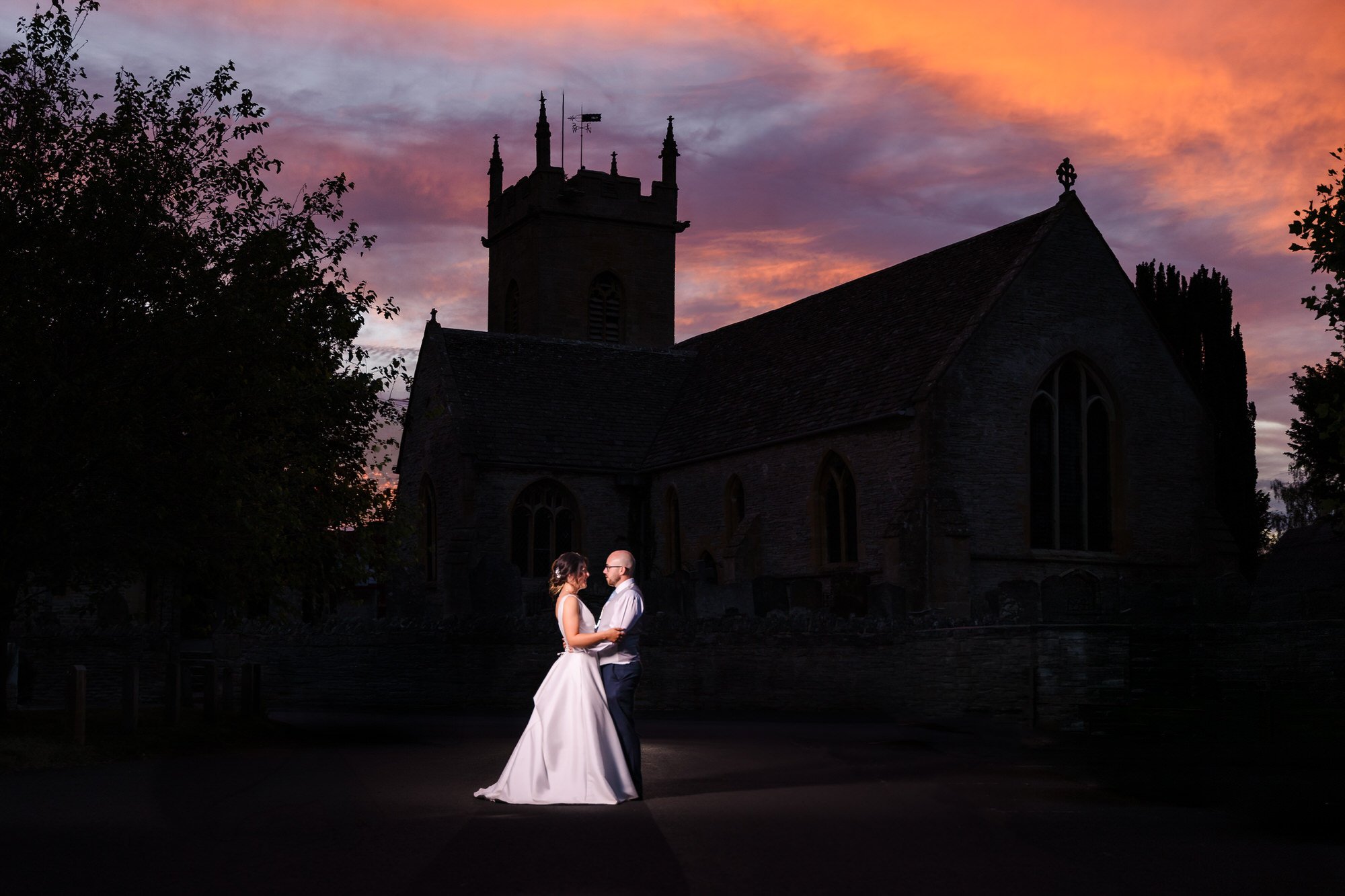
As a professional photographer, capturing moments here is always an honour, as its architecture offers endless opportunities for breathtaking wedding photography. If you plan your day in Kidderminster, I'm here to immortalize it in the most beautiful way possible.
The church's exterior, with its grand sandstone structure and intricate detailing, sets the stage for beautiful and timeless wedding portraits. Meanwhile, the church's interior, with its historic organ installations and exquisite stained glass windows, provides a unique and atmospheric backdrop for intimate moments and candid shots.
The combination of St Mary and All Saints Church's historical and spiritual significance, grandeur, and picturesque setting make it an idyllic location for weddings. Every couple that chooses this location becomes part of the centuries-long history of love and commitment celebrated within these ancient walls.
If you're planning your special day in Kidderminster, please feel free to get in touch. As your local Worcestershire wedding photographer, I'm here to capture your wedding day in the most beautiful way possible and create memories that will last a lifetime.
Churches Together in Kidderminster Ismere
Churches Together in Kidderminster Ismere emphasizes interdenominational fellowship and promotes community values. The partnership, with significant ties to the church, underscores the importance of unity and shared purpose.
One of the partnership's main features is the diverse collection of buildings and chapels it oversees. These structures bring together individuals from various backgrounds, creating a sense of unity and shared purpose. Of particular note is the Whittall Chapel, which provides an intimate setting for community worship and prayer.
The Whittall Chapel and other buildings within the complex, like the Perpendicular Tower and organ chamber, showcase Kidderminster's rich history and architecture, which Historic England has recognized for their architectural importance.
The Churches Together in Kidderminster Ismere partnership also plays a crucial role in promoting inclusivity and diversity within the community. The partnership creates a welcoming environment that encourages open and honest dialogue among the congregation and its members by bringing together individuals from different denominational backgrounds.
It fosters a deep sense of belonging and togetherness among those participating. Through its collective efforts, this partnership serves as a beacon of hope for the community, promoting the values of love and compassion at the heart of the Christian faith. Whittall Chapel and Other Buildings
Located on Church Street in Kidderminster, St Mary and All Saints Church is a significant parish church that has played a central role in the community for centuries. The church complex has various buildings and structures, each with a unique history and architectural features. Of these buildings, the Whittall Chapel stands out as a particularly significant feature of the complex. Recognised by Historic England as a Historic Building, the chapel has served as an essential hub of community activity since its construction in the 19th Century. In addition to the Whittall Chapel, the parish church includes a 15th-century Perpendicular tower, an organ chamber, and a west tower that dates back to the 12th Century. With acres of land allotted to the church over time, the church and its buildings provide a glimpse into the rich history and land characteristics of Kidderminster.
Whittall Chapel and Other Buildings
This significant parish church has been central to the community for centuries. The church complex has various buildings and structures, each with a unique history and architectural features. Of these buildings, the Whittall Chapel stands out as a particularly significant feature of the complex. Recognised by Historic England as a Historic Building, the chapel has served as an essential hub of community activity since its construction in the 19th Century. In addition to the Whittall Chapel, the parish church includes a 15th-century Perpendicular tower, an organ chamber, and a west tower that dates back to the 12th Century. With acres of land allotted to the church over time, the church and its buildings provide a glimpse into the rich history and land characteristics of Kidderminster.
Recognised by Historic England as a Historic Building
Historic England's Grade I Listed Building designation reflects its architectural and historical importance. Features like the alabaster reredos, stained-glass windows, and tombs contribute to its status, highlighting British heritage and architectural achievement.
The church's designation as a Grade I Listed Building is due to numerous factors, including its age and architectural significance. The church has parts dating back to the 14th and 15th centuries, such as the chancel and nave, which have remained nearly intact throughout the centuries. The perpendicular tower and organ chamber, added to the church in the 15th Century, are also elements that contribute to the church's historical importance. Furthermore, the North-East Side Addition, built around the 17th Century, is an impressive example of architectural excellence and craftsmanship.
The use of locally sourced materials and techniques and the church's gradual expansion over time contribute to its historical significance in the local community. Its designation as a Grade I Listed Building by Historic England is a testament to its importance, and the church remains a symbol of the architectural prowess and artistic achievements of its builders and architects.
In summary, St Marys is an impressive architectural and historical icon that has earned its place on the National Heritage List for England. Its status as a Grade I Listed Building, along with features such as the perpendicular tower, organ chamber, and North-East Side Addition, highlight its importance in the annals of British history and architecture.
Status as a Grade I Listed Building
Historic England has recognised St Mary and All Saints Church in Kidderminster as a Grade I Listed Building due to its exceptional architectural and historical significance. The church's age and unique architectural features have been crucial in its designation. The church's most notable features include the 15th-century perpendicular tower, the 17th-century North-East Side Addition, and the ornate organ chamber. In the following sections, we will take a closer look at the key architectural features of St Mary and All Saints Church.
Features of the Church Building
St Mary and All Saints Church in Kidderminster is an exceptional example of British heritage and architecture. Its status as a Grade I Listed Building is attributed to its numerous notable features, including the alabaster reredos depicting The Last Supper, the stunning stained-glass windows, the prominent tombs and stone effigies, the engraved brass memorial, and the Baxter Pillar.
The alabaster reredos, situated behind the altar, is a remarkable work of art portraying The Last Supper scene. Carved in the 15th Century, it is a fine example of early Renaissance art and has been immaculately preserved. The reredos' striking design, intricate detailing, and impressive size are a testament to the mastery of the sculptors of their time.
The stained-glass windows in St Mary and All Saints Church are equally impressive. Dating back to the 19th Century, they are some of the best examples of English stained-glass work in the country. Each panel tells a story, depicting various biblical scenes and historical events. The church's stained-glass windows are a true feast for the eyes and remain one of its most outstanding features.
The tomb, stone effigies, and engraved brass memorial located within the church are notable features that contribute significantly to its status as a Grade Listed Building. The tomb in the South Transept commemorates the Earl of Coventry and his wife. The stone effigies on either side of the grave are of knights in armour. The engraved brass memorial, situated on the floor of the North Aisle, is dedicated to Sir Thomas Server, one of the church's earliest benefactors. These impressive monuments provide a glimpse into the lives of important historical figures and their connection to St Mary and All Saints Church.
Another remarkable feature is the Baxter Pillar, situated towards the west end of the nave. It is a wooden pillar that once supported a pulpit. It is named after Richard Baxter, a prominent theologian and preacher associated with the Baxter Congregational Church that once occupied the site before St Mary and All Saints Church.
Besides these notable features, the church boasts various other noteworthy architectural features contributing to its historical value. The church's West Tower, built in the 14th Century, is one of the most recognisable features adorning Kidderminster's skyline. The 3-manual and pedal pipe organ, listed in the National Pipe Organ Register, is yet another source of pride for the church. The church's land characteristics are also significant, as 25 acres of land were allotted for the church when it was first constructed in the 12th Century.
In conclusion, the alabaster reredos, stained-glass windows, tombs, stone effigies, engraved brass memorial, and the Baxter Pillar are notable features of the church, architecture, and significant contributions to British heritage. Many other noteworthy architectural features testify to the church's historical and architectural significance. The church remains a remarkable example of British origin, and its Grade I Listed Building status is well deserved.
Major Parish Church Clock
St Marys in Kidderminster has played an integral role in the town's religious history, boasting connections to the Catholic and Protestant faiths. One of the most notable features of the church is its central parish church clock, located in the tower above the West entrance. The watch has undergone various renovations and repairs over the years. Still, its prominent position and iconic appearance remain a testament to its significance. The clock's connection to the Catholic Church is evident in its design, which incorporates intricate Catholic symbols and motifs. Its continued function and accurate timekeeping testify to the church's commitment to maintaining its historical and cultural heritage.
Catholic Church Connections
The church's connection to Catholic and Protestant faiths through its central parish church clock and its role in religious history illustrate the enduring ties and mutual respect between different faiths.
Despite this turbulent history, the church's connection with the Catholic Church has endured. The prominent position of the significant parish church clock above the West entrance still incorporates intricate Catholic symbols and motifs, serving as a testament to the church's commitment to maintaining its historical and cultural heritage.
To this day, the relationship between St Marys Church and the Catholic Church continues. While the two churches have different beliefs and practices, they share a mutual respect for history, civic church, and tradition. Recently, churches in Kidderminster Ismere have also brought the two churches together for shared activities.
Wedding Ceremonies at St Mary and All Saints
Wedding ceremonies here promise a setting steeped in history and tradition, ensuring a memorable experience. If you are interested in exchanging vows in this historic location and seeking a professional Worcestershire wedding photographer, don't hesitate to contact us.
Background of St Mary and All Saints Church in Kidderminster
Situated on Church Street, this parish church's architecture narrates the evolution of English religious heritage across centuries. Having stood for over 800 years, it's a testament to the town's spiritual life. The church invites all to visit and join its worship services and fellowship.
The tale of this building is one of evolution and transformation, emerging as a key place of worship over centuries, enduring through natural and historical adversities.
Its significant restoration during the 19th Century brought together a mix of architectural styles, with its Perpendicular tower and West Tower housing a ring of eight bells being notable features. Its collection of religious artefacts and several stunning stained glass windows, including the extraordinary Whittall Chapel window, add to its charm.
Now a sought-after venue for weddings and special occasions, it offers memorable ceremonies amidst tradition and history.
The church's architecture provides an ideal backdrop for wedding ceremonies, supported by a team offering expert wedding planning assistance. It can accommodate up to 130 guests, with options for organ music, bell ringing, and candlelit processionals.
Origin of the Church in the 16th Century
Originally established as a primary school and a worship centre in the 15th and 16th centuries, the current sandstone structure is a testament to its rich historical background. Continuous worship over 500 years highlights its essential role in Kidderminster's spiritual and cultural life.
The present building, a magnificent dark sandstone structure, was constructed between the 15th and 16th centuries. The church underwent significant restoration in the 19th Century but retains many original architectural features. These include the impressive Perpendicular Tower, which looms high above the town, and the West Tower, housing a ring of eight bells.
St Mary and All Saints Church has been a place of continuous worship for over 500 years and has played an essential role in Kidderminster's spiritual and cultural life. The church has witnessed many changes and transformations over the centuries. Still, it has always remained a vital part of the community, offering a serene and peaceful sanctuary to all who seek it.
Expansion during the 19th Century
St Mary's significant expansion and restoration in the 19th Century reflected the era's fascination with Victorian Gothic architecture. During this time, the church underwent renovation and rebuilding to ensure it was set up to accommodate the growing population and changing liturgical practices. The result is a magnificent structure that combines the grandeur of medieval architecture with the intricate details of the Gothic Revival movement.
Architecture
St Mary and All Saints Church in Kidderminster is a central parish church that has been at the heart of the community for centuries. One of its most notable features is the Perpendicular Tower, which dominates the skyline and serves as a beacon for the faithful. The tower is a fine example of medieval architecture, with its intricate details and precise stonework. It is one of the oldest surviving structures in the church, dating back to the 15th Century. The tower has nine bells, which are rung regularly and can be heard across the town.
The Organ Chamber is another significant architectural feature of the church. The chamber is decorated with beautiful stained glass windows that reflect the light and add to the overall ambience of the church. The organ chamber was added in the 19th Century to house a new 3-manual and pedal pipe organ. This electrically blown instrument is a notable feature of the church and is regularly used during services and concerts.
A North-East Side Addition was also made to the church in the 19th Century. This addition is a beautiful example of Victorian Gothic architecture, featuring high-quality stonework and intricate carvings. The acquisition provided much-needed space for the growing congregation, with a new entrance, vestibule, and additional seating in the nave.
The Perpendicular Tower, Organ Chamber, and North-East Side Addition all have great historical significance. Each feature is an outstanding example of different architectural styles and construction techniques prevalent during their respective periods. These features help make the church one of the most significant historic buildings in the area.
Historic England's recognition of the church as a Grade Listed Building is a testament to its architectural and historical significance. This designation is the highest level of recognition for a historic building in England. This recognition means that the building is of national importance, and its architectural features are unique and irreplaceable. It also means that the building is protected by law and requires special care and attention to ensure its preservation for future generations.
Perpendicular Tower
The Perpendicular Tower of St Mary and All Saints Church in Kidderminster is an outstanding example of medieval architecture dating back to the 15th Century. At an impressive height of 166 feet, it is a prominent landmark seen from afar. The tower is well-crafted sandstone and includes intricate details such as carved spires, blind tracery panels, and an embattled parapet.
The tower's Perpendicular style is characterised by its vertical lines and ornate details, such as the quatrefoil panels that line the uppermost sections of the building. It is also notable for its size and the way it dominates the skyline of Kidderminster. The tower's grandeur and intricate details make it a fine example of medieval craftsmanship and an architectural wonder for all to behold.
The Perpendicular Tower was built in the 15th Century, a significant change in English architecture. The development of the Perpendicular style, emphasising vertical lines and intricate details, was a response to the changing tastes of the time. The tower was designed to boldly proclaim the church's power and wealth and inspire awe and reverence among the faithful.
Over the years, various notable additions and renovations have been made to the tower, including installing a clock in the 18th Century and adding four new bells in the 19th Century. The building has also been subject to restoration projects to preserve its historical significance.
Interesting facts about the tower include its sheer size and height, which make it one of the church's most impressive architectural features. Another notable feature is its use of blind tracery panels, which are intricate carvings that create a pattern of interlocking shapes. The tower is also home to nine bells, which are rung regularly and contribute to the church's overall majesty and grandeur.
Overall, the Perpendicular Tower of St Mary and All Saints Church in Kidderminster is a remarkable example of medieval architecture. Its impressive height, intricate details, and historical significance make it a key landmark in the town and a testament to the church's power and influence during the medieval period. Organ Chamber
Organ Chamber
The Organ Chamber in St Mary and All Saints Church in Kidderminster is a significant feature of the church that has undergone several changes over the years. Originally situated at the west end of the church, the organ was later moved to support a new choir.
Since its move, the organ has undergone multiple renovations and rebuildings to create the 3-manual and pedal pipe organ that stands today. The final renovations were completed in the 20th Century. The organ now has over 4,000 pipes ranging from six inches to over thirty feet in length. Its specifications are world-class, and its sound is considered by many to be one of the finest in the country.
The separate pipe organ in the Whitall Memorial Chapel is a notable feature of the church and has a unique sound. It has one manual and pedal and is notable for its clear, bright tones. The organ was built in the 19th Century and underwent renovations in the following years.
The Organ Chamber is essential to the church's beauty and grandeur. Combining the two pipe organs creates a unique, unforgettable sound that resonates throughout the church. Whether attending a church service or enjoying a concert, the impressive musical offerings of St Mary and All Saints Church are sure to leave a lasting impression.
North-East Side Addition
The North-East Side Addition to St Mary and All Saints Church in Kidderminster holds a special significance for the Churches Together in Kidderminster Ismere. This community effort, comprised of various local churches, comes together regularly to celebrate faith and spread messages of love and hope. Their presence and involvement in the church testify to the importance of building strong, supportive relationships within the community. The North-East Side Addition provides ample space for these gatherings. It fosters a sense of togetherness and belonging among its members.